
Some formulations focus strongly on hydration. Others contain polynucleotides, amino acids or hybrid combinations designed to support broader skin quality. Understanding those differences makes treatment choices easier to navigate.
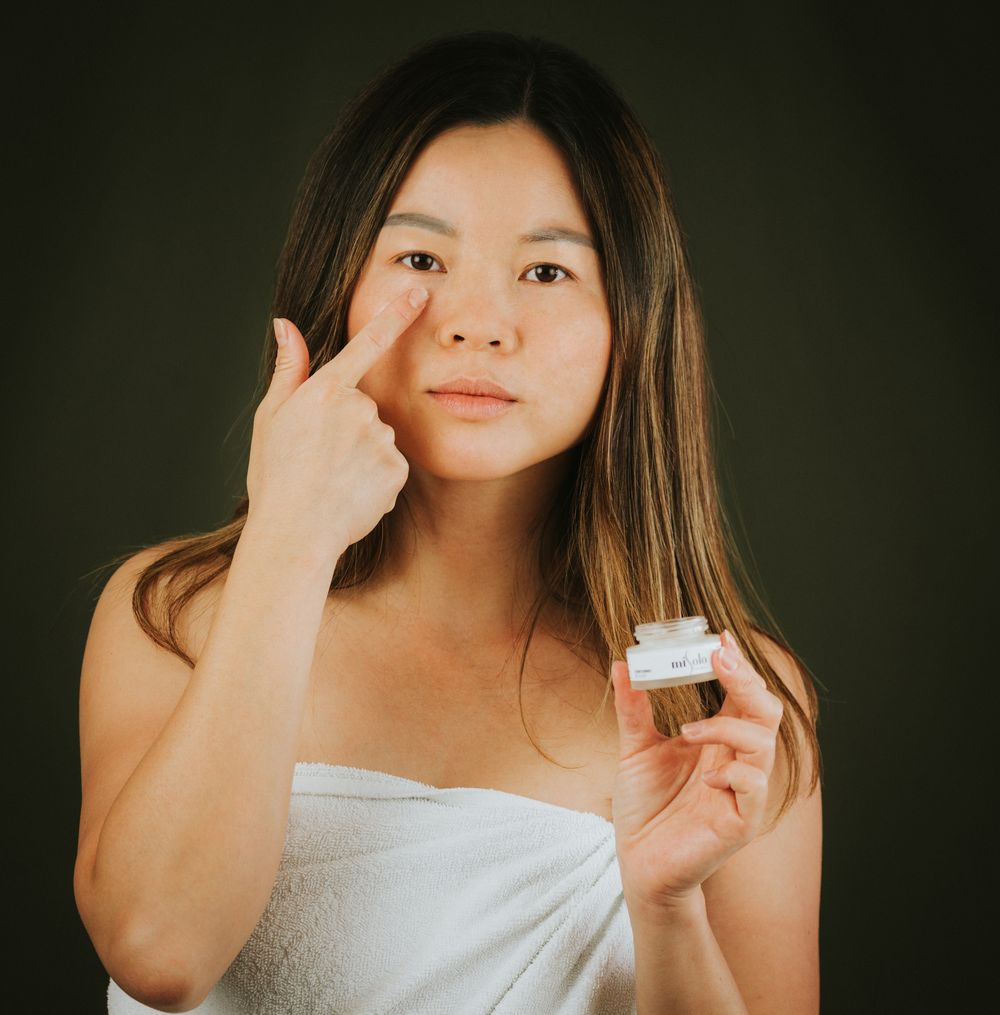
A skin booster treatment is an injectable approach generally used to improve qualities such as hydration, texture, suppleness and the overall appearance of the skin rather than simply changing facial shape.
The important point is that skin boosters are not all the same. The category includes several types of injectable formulation.
One product may primarily contain hyaluronic acid. Another may use polynucleotides. Some formulations combine PN with HA, while others pair HA with selected amino acids.
This means comparing skin boosters purely by brand name can be misleading. A more useful question is: what does the formulation contain, what skin concern is being treated, and does that treatment approach make sense for your skin?
What Is a Skin Booster Treatment?
Healthy-looking skin is influenced by much more than surface moisture. Within the dermis are structures including collagen, elastin, fibroblasts and extracellular matrix components that influence how smooth, resilient and supple the skin appears.
A skin booster places a selected formulation into or beneath the skin through injections.
Depending on the formulation, treatment may focus on hydration, water retention, skin conditioning, dermal remodelling or combinations of these approaches.
Injectable hyaluronic acid has been studied for improving facial skin quality, while research into polynucleotides for aesthetic use is also developing.
Current reviews describe promising results but also highlight the need for larger and higher-quality clinical studies, particularly for newer regenerative injectable approaches.
The Main Families of Skin Boosters
There is no universal skin-booster formula. Understanding the main ingredient families helps explain why different products may be selected for different objectives.
Hyaluronic Acid
HA attracts and retains water. Injectable HA formulations may be considered when skin hydration and suppleness are major treatment priorities.
Polynucleotides
PN-based injectables are used within biorevitalisation or regenerative-style approaches aimed at supporting overall skin quality.
PN + HA
Hybrid formulations combine polynucleotides with the water-binding characteristics of hyaluronic acid. PolyPhil NEXT and Newest fall broadly within this category.
HA + Other Actives
Some formulations pair HA with amino acids or other ingredients. Revok50, for example, combines sodium hyaluronate with selected amino acids.
Identify the concern
Hydration, fine lines, texture, scarring and skin resilience may require different treatment strategies.
Assess the skin
Skin thickness, sensitivity, anatomy, previous procedures and medical history matter.
Select a formulation
The ingredient profile should support the treatment objective rather than simply follow what is trending.
Plan treatment
Injection technique, treatment interval and number of sessions should be individualised.

Meet PolyPhil NEXT
PolyPhil NEXT combines two commonly discussed skin-quality approaches in one formulation: polynucleotides and hyaluronic acid.
Malaysia's Medical Device Register lists PolyPhil NEXT as containing polynucleotides 10 mg/mL and hyaluronic acid 10 mg/mL.
The combination means PolyPhil NEXT sits within the hybrid PN + HA category rather than being purely a polynucleotide injectable or purely a hyaluronic-acid skin booster.
It may enter the treatment discussion when concerns include dehydration, reduced suppleness, textural changes or declining skin quality , depending on individual assessment.
That does not mean the formulation is automatically preferable to PN-only or HA-based options. Different skin concerns may justify a different approach.
Malaysia MDA product information ↗ PolyPhil NEXT product information ↗PolyPhil NEXT vs Plenhyage vs Revok50 vs Rejuran vs Plinest vs Newest
These products may all appear within the broader skin-booster conversation, but their formulations are not interchangeable.
Use the quick navigation below to compare each injectable by formulation and treatment direction.

PolyPhil NEXT
PN + HAA hybrid formulation combining polynucleotides with hyaluronic acid. PolyPhil NEXT is featured at Renora Clinic as one of the available approaches for supporting overall skin quality.
Plenhyage
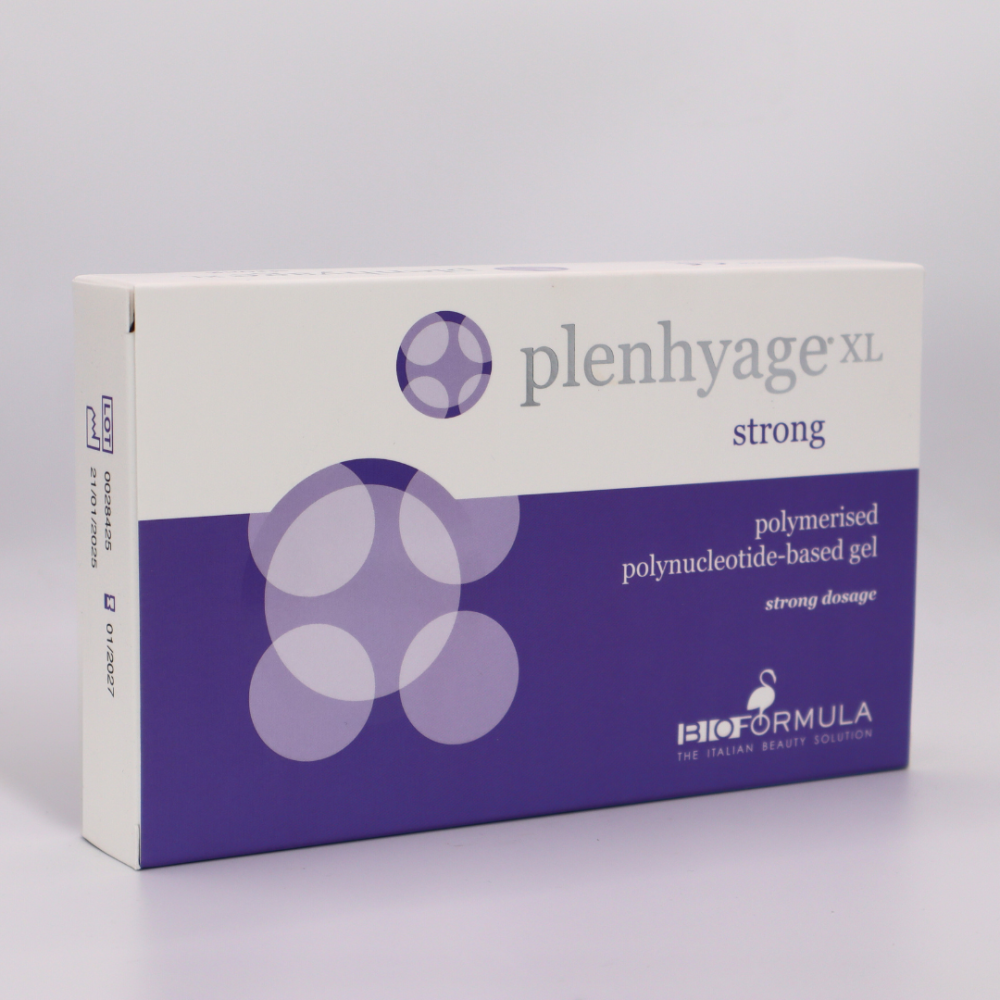
PolynucleotidePlenhyage is a polymerised-polynucleotide injectable range, with different variants available for different treatment strategies.

Revok50
HA + Amino AcidsRevok50 takes a different approach from PN injectables. Its formulation combines hyaluronic acid with selected amino acids.
Rejuran
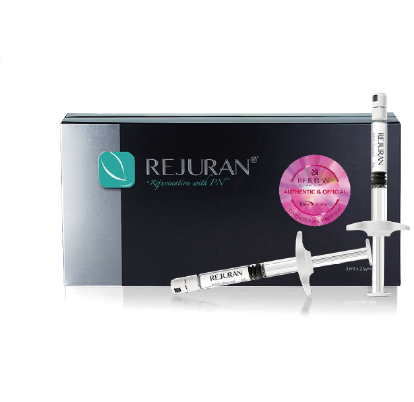
PolynucleotideRejuran is a Korean polynucleotide injectable family with different variants designed for different treatment areas and objectives.
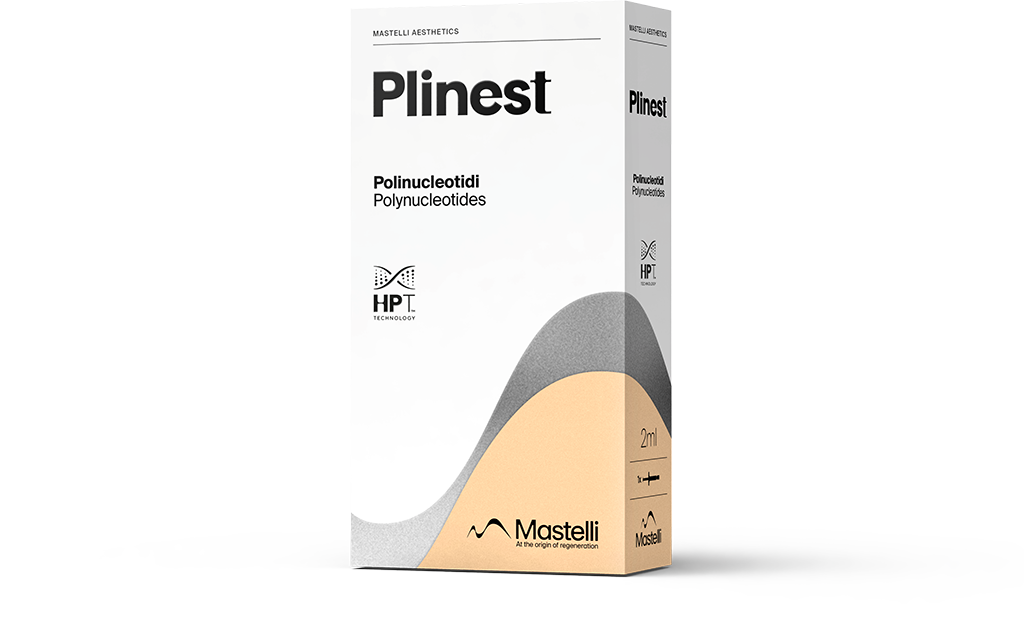
Plinest
PN-HPTPlinest belongs to Mastelli's PN-HPT range and centres primarily on highly purified polynucleotide technology rather than added hyaluronic acid.
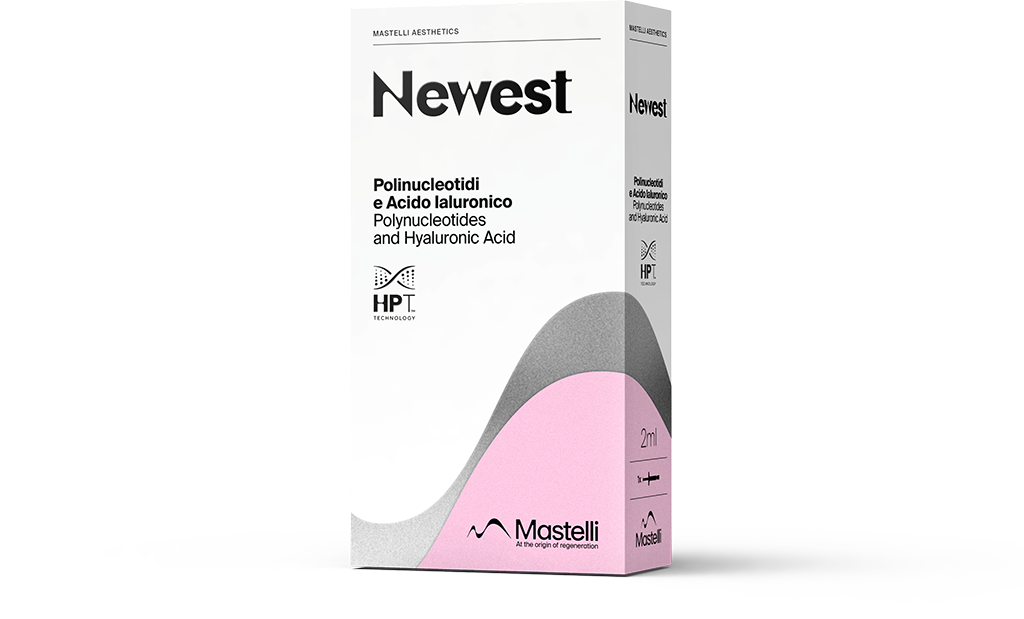
Newest
PN-HPT + HANewest combines Mastelli's PN-HPT technology with hyaluronic acid and mannitol, placing it within the hybrid PN + HA category.
Hydration-focused?
HA-containing treatments such as Revok50 may form part of the discussion when hydration and skin quality are key priorities.
PN-focused?
Rejuran, Plenhyage and Plinest represent different treatment approaches centred predominantly on polynucleotides.
PN + hydration?
PolyPhil NEXT and Newest combine polynucleotides with hyaluronic acid, although their complete formulations remain different.
These categories help explain why two products both described as “skin boosters” may behave differently. They are not a ranking system. Final treatment selection should follow individual clinical assessment.
How Does a Doctor Choose Between Skin Boosters?
Choosing between PolyPhil NEXT, Plenhyage, Revok50, Rejuran, Plinest, Newest or another skin booster should begin with the skin rather than whichever brand is currently popular online.
Two patients of the same age may need completely different approaches.
One may predominantly have dehydration and fine creasing. Another may be more concerned with acne-scar texture, fragile-looking skin or declining elasticity.
Treatment area also matters. Skin around the eyes behaves differently from cheek skin, neck skin or scarred tissue.
Product characteristics, injection technique and treatment depth must therefore be considered together.

Downtime, Side Effects and What to Expect
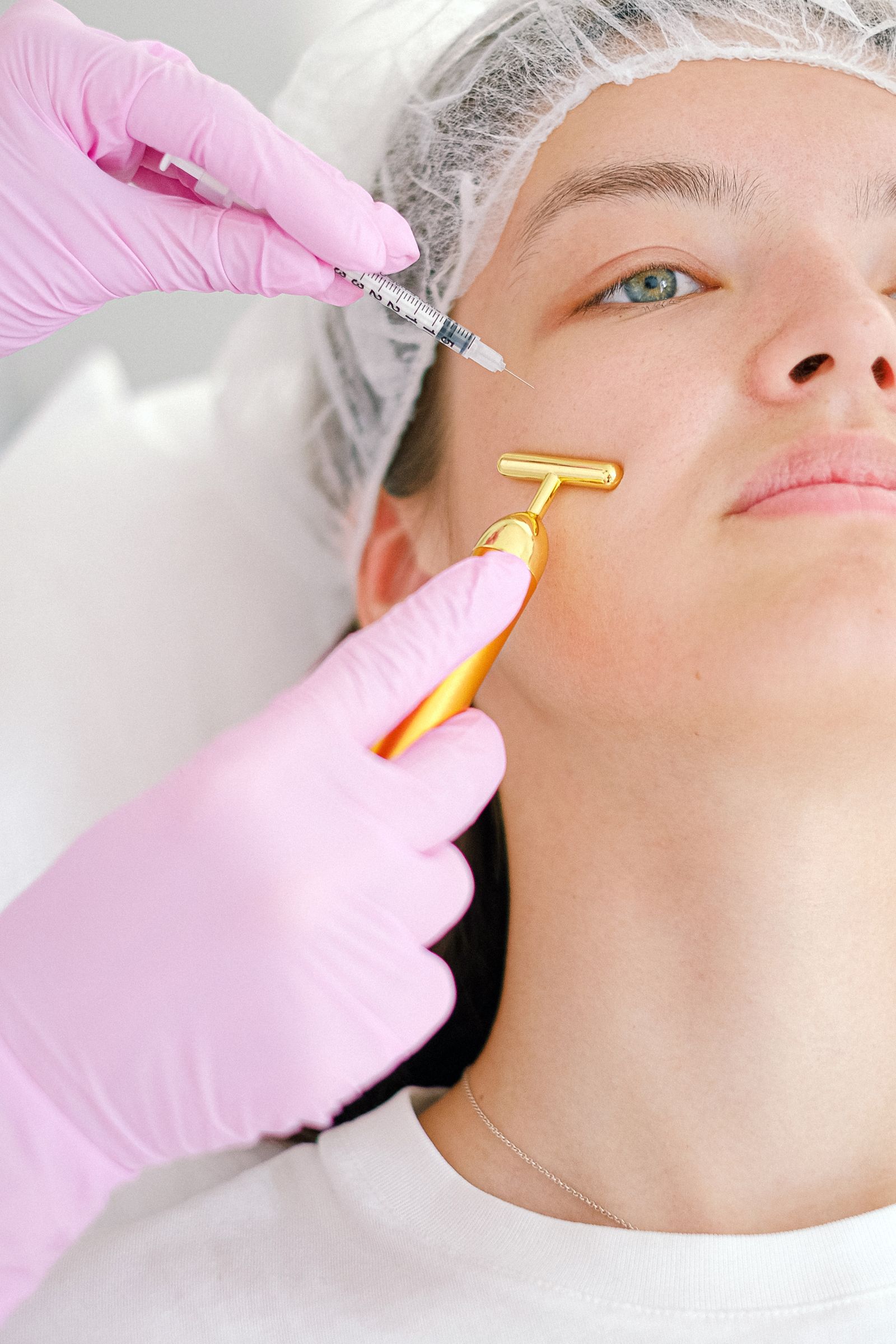
Skin-booster treatments involve injections, so temporary injection-site effects can occur even when the treatment is uncomplicated.
The exact experience varies depending on the formulation, treatment area, injection technique and individual response.
Small raised injection points may temporarily remain visible when a product is placed superficially.
It can therefore be sensible to avoid scheduling an injectable treatment immediately before an important event unless advised otherwise by the treating practitioner.
Common temporary effects
- Redness around injection points
- Temporary bumps or swelling
- Tenderness or mild discomfort
- Small bruises or pinpoint bleeding
- Temporary tightness in the treated area
Less common but important risks
- Infection
- Prolonged inflammation or swelling
- Nodules or persistent irregularity
- Reaction to a product component
- Vascular or other injection-related complications
Injectable treatments should be performed by an appropriately qualified practitioner with knowledge of anatomy, product characteristics, complication recognition and management. Suitability may also be affected by pregnancy, breastfeeding, active infection, medication use or certain medical conditions.
Skin Booster Treatment FAQ
What does a skin booster actually do?
Is a skin booster the same as dermal filler?
What is a polynucleotide skin booster?
Is PolyPhil NEXT the same as Newest?
Which is better: Rejuran, Plenhyage, Plinest or PolyPhil NEXT?
How many skin booster sessions do I need?
Evidence & Product Information
Injectable skin-quality treatments are an evolving field. When researching skin boosters, it is useful to distinguish regulatory documentation, manufacturer product information and independent clinical research.
A Better Way to Think About Skin Boosters
Skin booster treatment is better understood as a category of injectable skin-quality treatments rather than one uniform procedure.
PolyPhil NEXT, Plenhyage, Revok50, Rejuran, Plinest and Newest each use different formulations and may therefore occupy different roles within a treatment plan.
That distinction moves the conversation away from “Which brand is strongest?” and towards the more useful question: what does your skin actually need?
At Renora Clinic, treatment recommendations are made after assessing the individual's skin concerns, anatomy, treatment goals, previous procedures, medical history and suitability.
PolyPhil NEXT may be one option where a hybrid PN + HA approach fits the assessment, but it is not automatically the appropriate option for every patient.
Not Sure Which Skin Booster Makes Sense for Your Skin?
A consultation can help determine whether your main priority is hydration, texture, skin resilience, scarring or another concern — and whether PolyPhil NEXT or another treatment approach may be suitable.
Book a Consultation