01 · Cheeks
Reduced Firmness
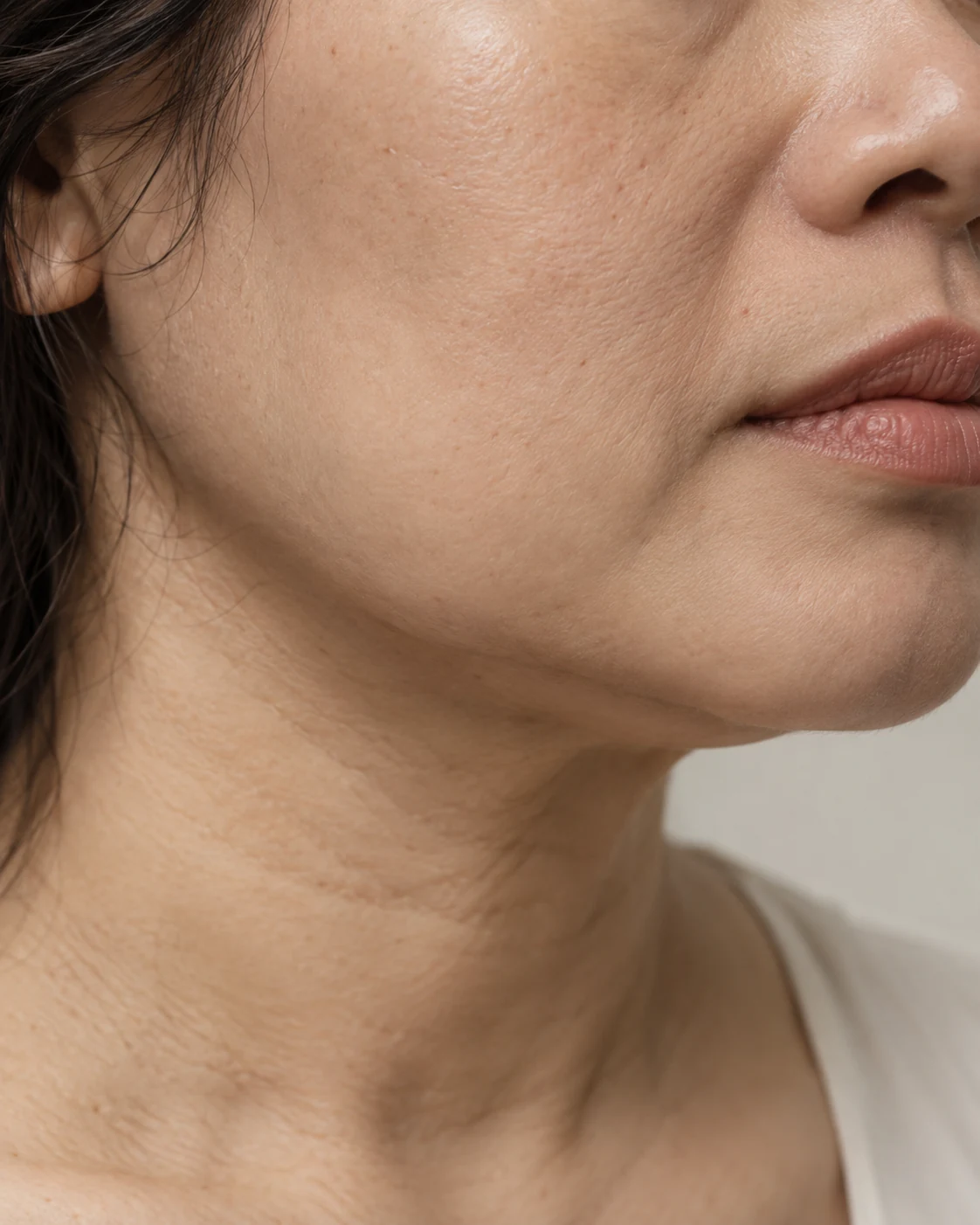
Cheeks look softer as skin firmness, facial volume and support change.
Sagging skin changes the shape of the cheeks, jawline, lower face and neck.
Collagen, elasticity, facial volume and deeper tissue support all shape facial firmness and definition.
At Renora Clinic, saggy skin treatment starts by identifying the main cause, then matching it with a focused treatment plan.

Facial firmness comes from skin quality, collagen, elastin, facial volume and deeper tissue support.
As these structures change with age, the cheeks soften, jowls develop, jawline definition changes and the neck looks looser.
The key is identifying which change is driving your concern: skin laxity, volume, tissue support, or a combination.
The goal is simple: identify the dominant change and choose a treatment strategy that targets it.
Facial laxity first shows through contour changes: softer cheeks, early jowling, a less defined jawline and neck laxity.
Cheeks look softer as skin firmness, facial volume and support change.
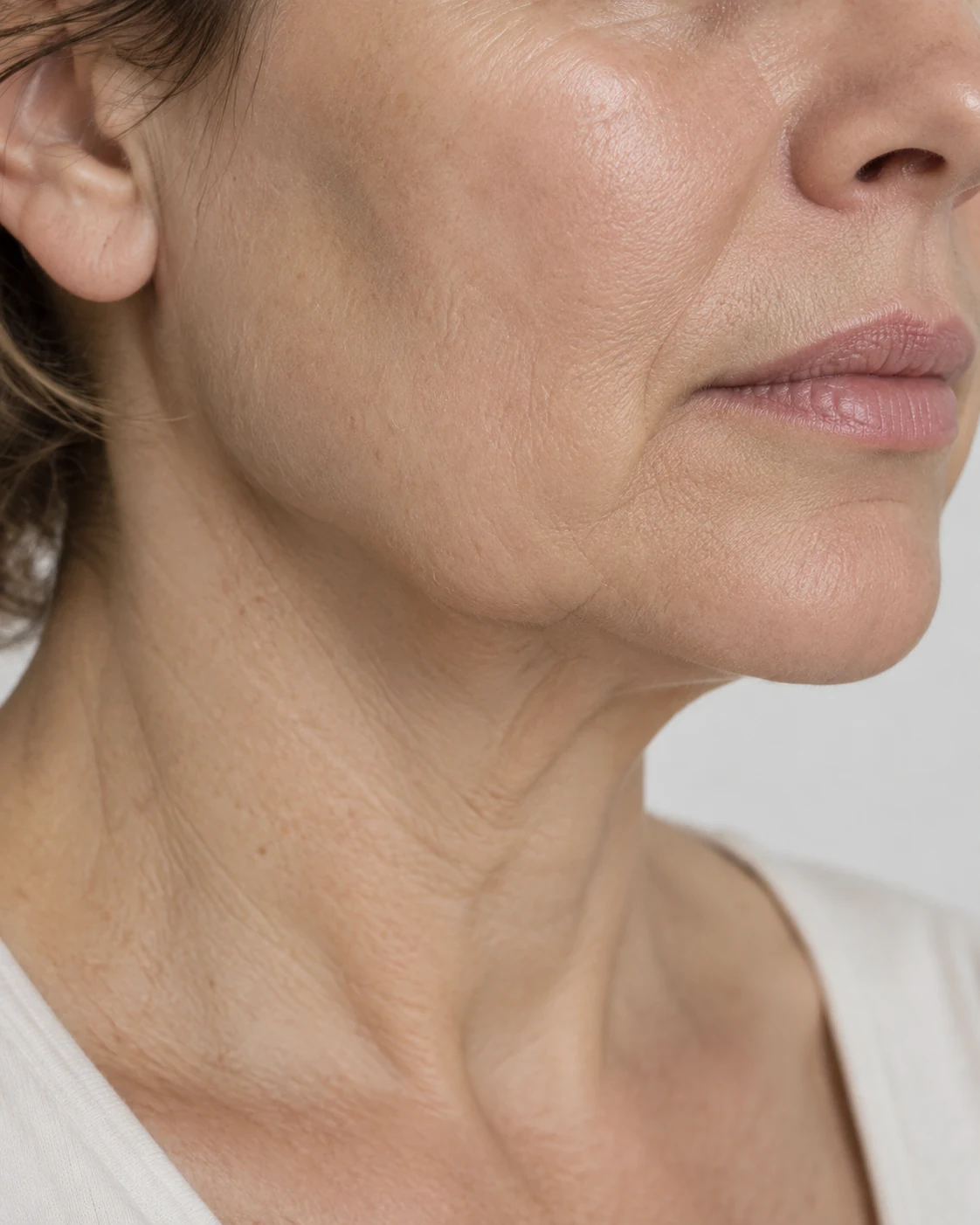
Lower-cheek tissue shifts toward the jawline, creating early jowl formation.
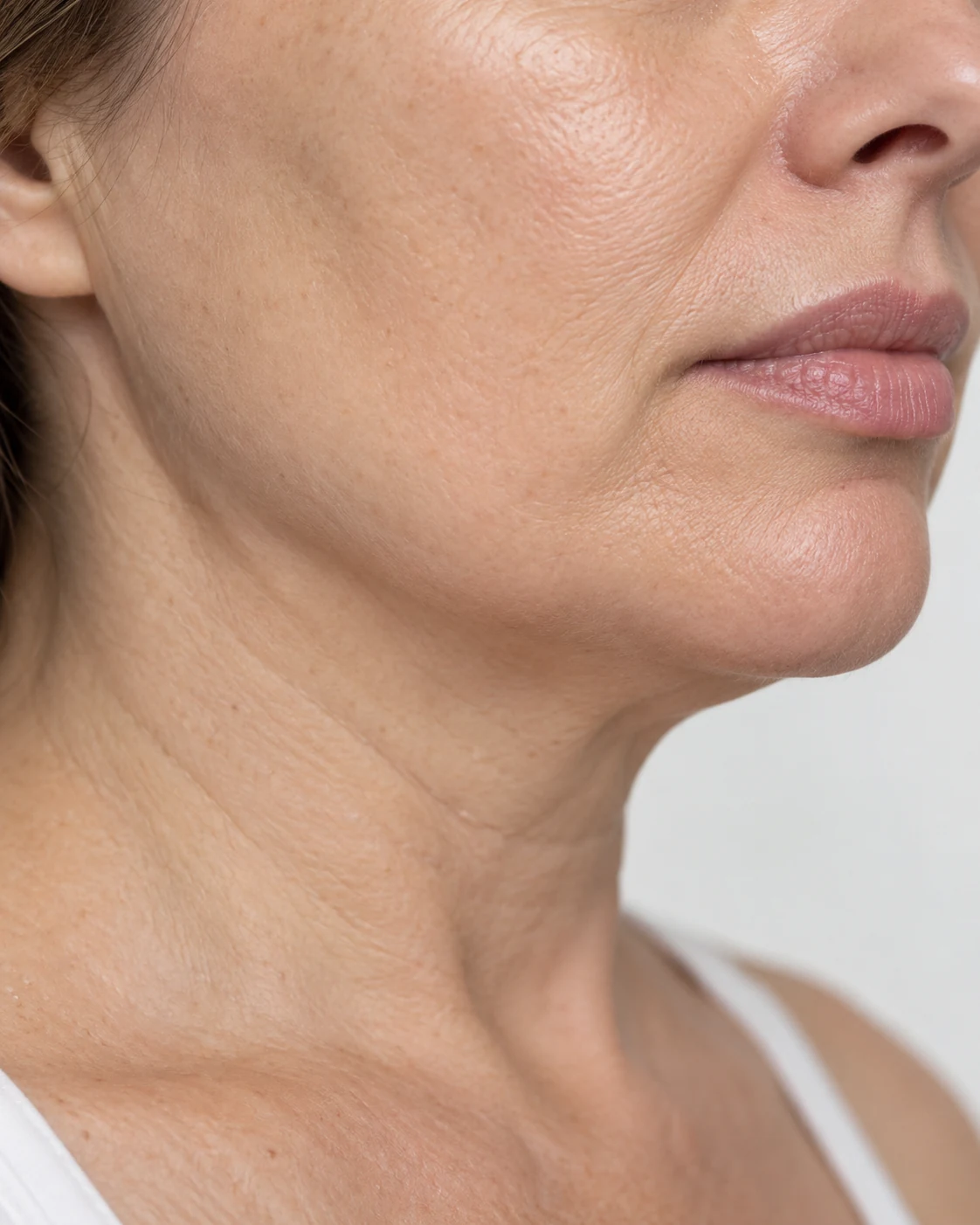
The jawline contour becomes softer and less clearly defined from the neck.
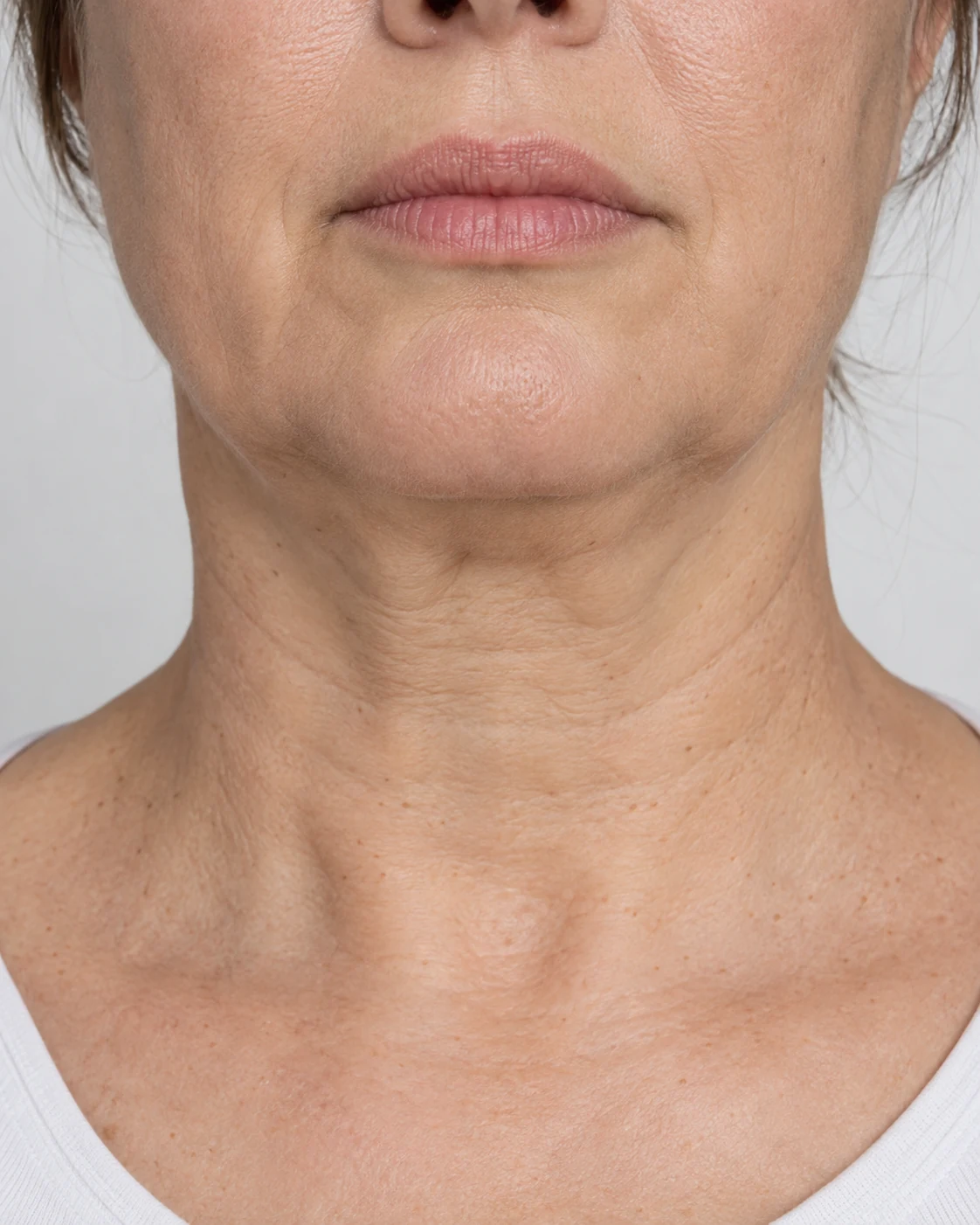
Skin below the jaw becomes looser as tissue elasticity and support change.
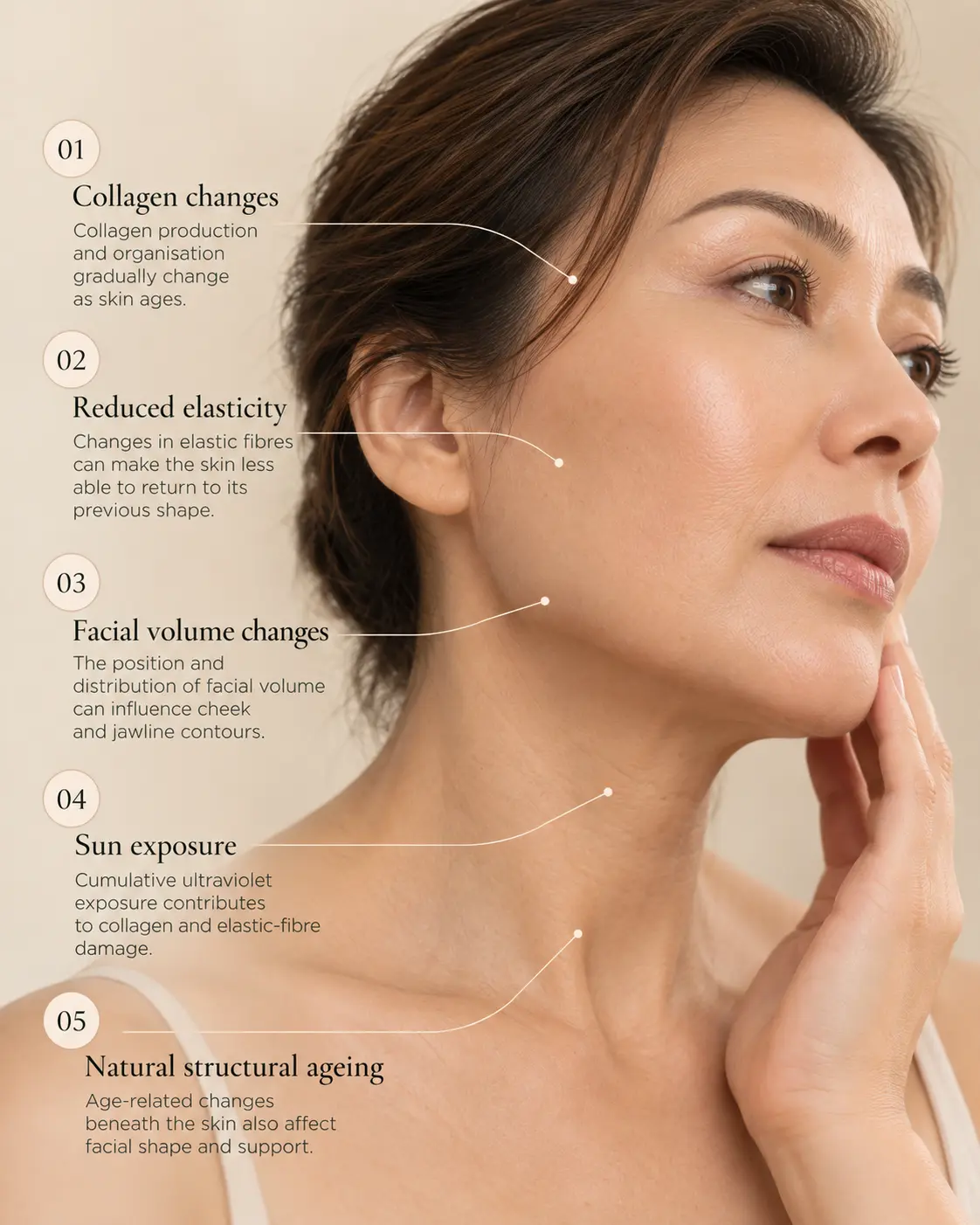
Facial laxity develops through changes in collagen, elasticity, facial volume and deeper tissue support.
Skin produces less collagen with age, while existing collagen becomes less organised.
Elastic fibres change with age, reducing the skin's ability to recoil and hold its shape.
Shifts in facial volume change the shape of the cheeks, lower face and jawline.
Cumulative ultraviolet exposure accelerates collagen and elastic-fibre breakdown.
Age-related changes in deeper tissues alter facial shape and structural support.
Learn more about protecting your skin in our premature skin ageing guide .
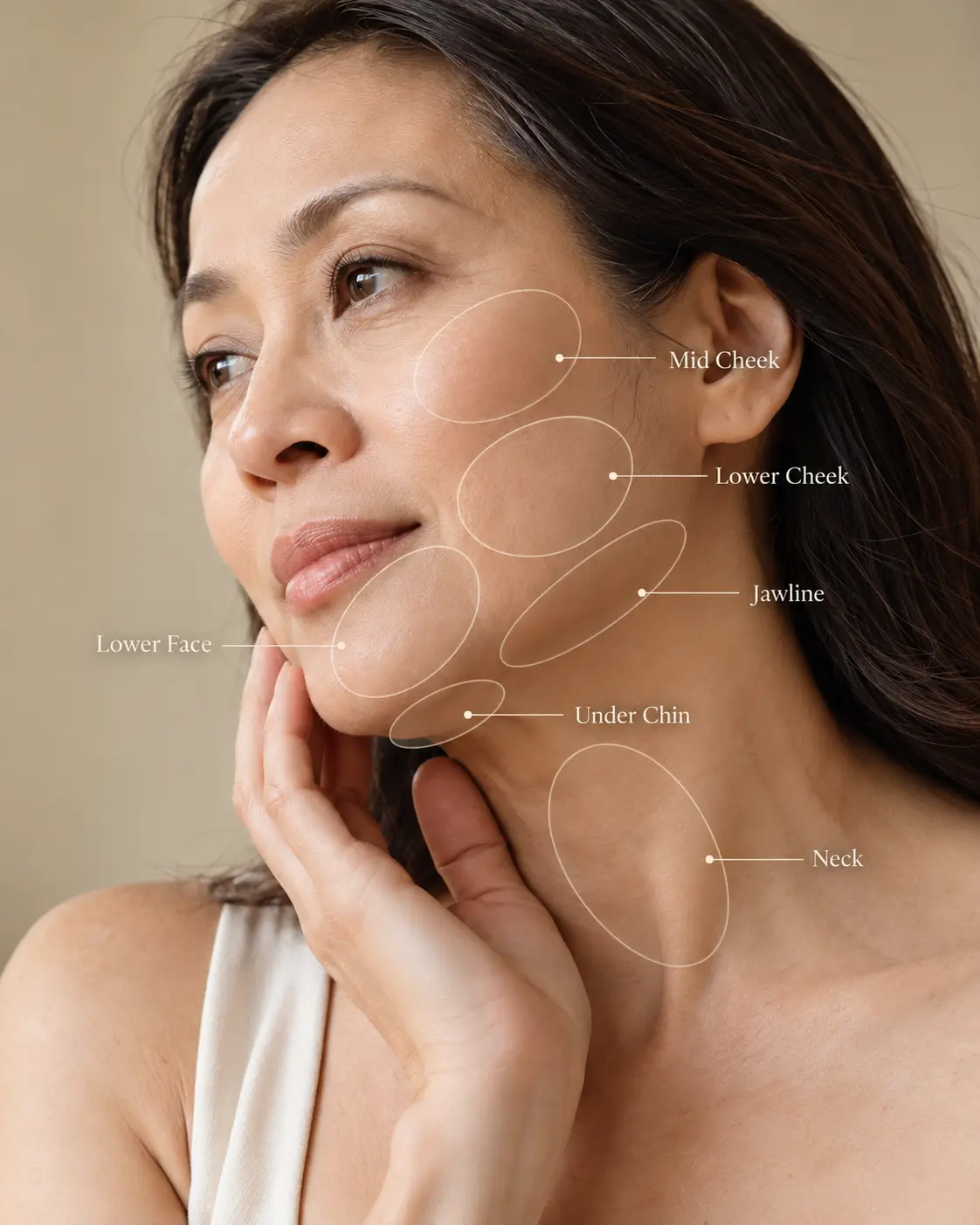
Facial laxity shows across the mid cheek, lower cheek, jawline, under-chin area and neck.
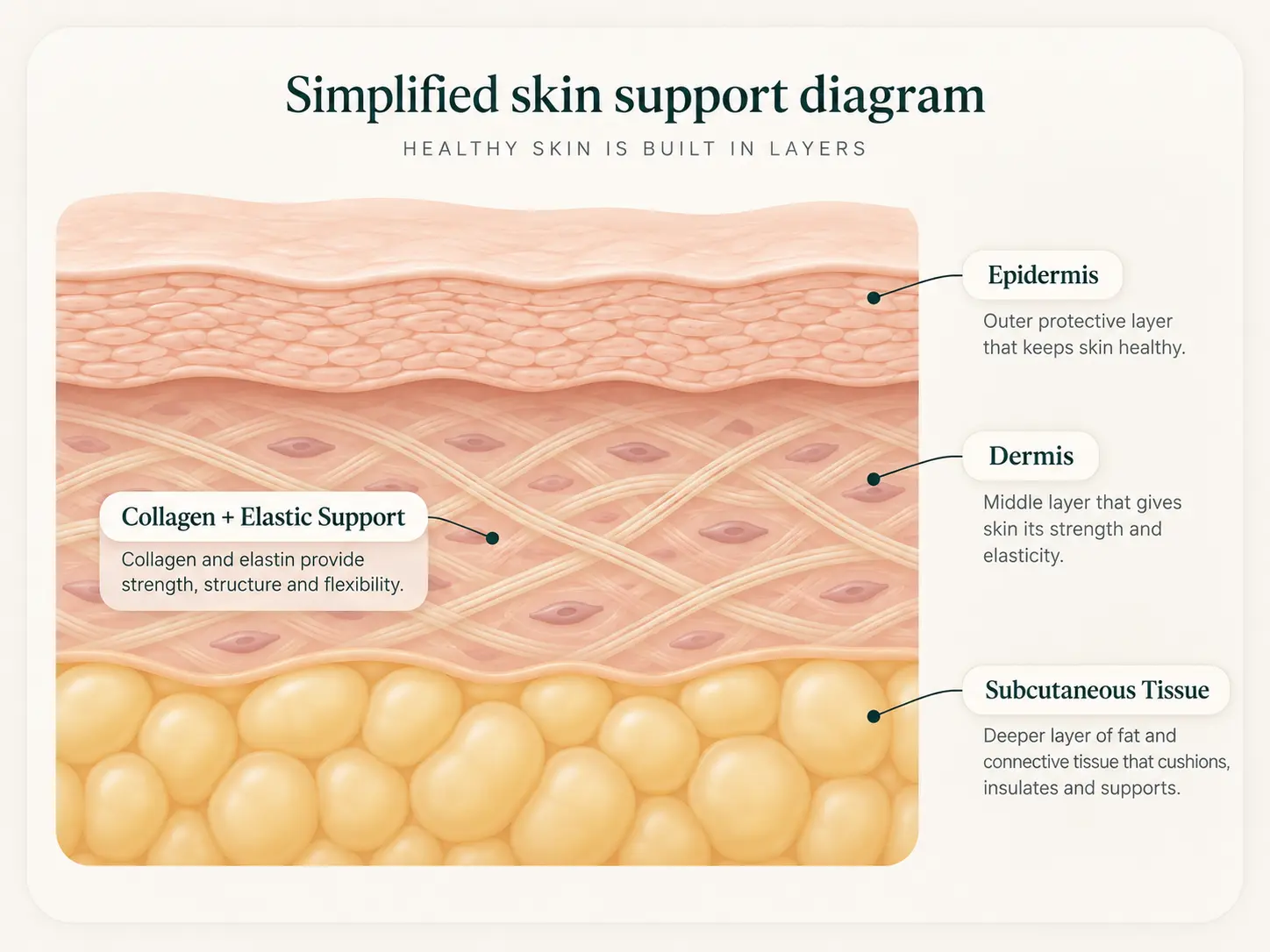
The dermis contains collagen and elastic fibres that contribute to the strength and elasticity of the skin.
With age, collagen synthesis slows while collagen breakdown increases, and elastic fibres change.
Subcutaneous tissue and deeper facial structures also change, shaping the cheek, jawline and lower-face contour.
Treatment planning starts by identifying the main layer driving the change and matching the treatment to that layer.
Treatment selection starts with five things: degree of laxity, facial anatomy, tissue volume, skin quality and your target result. Your doctor then builds a focused plan using one treatment or a combination.
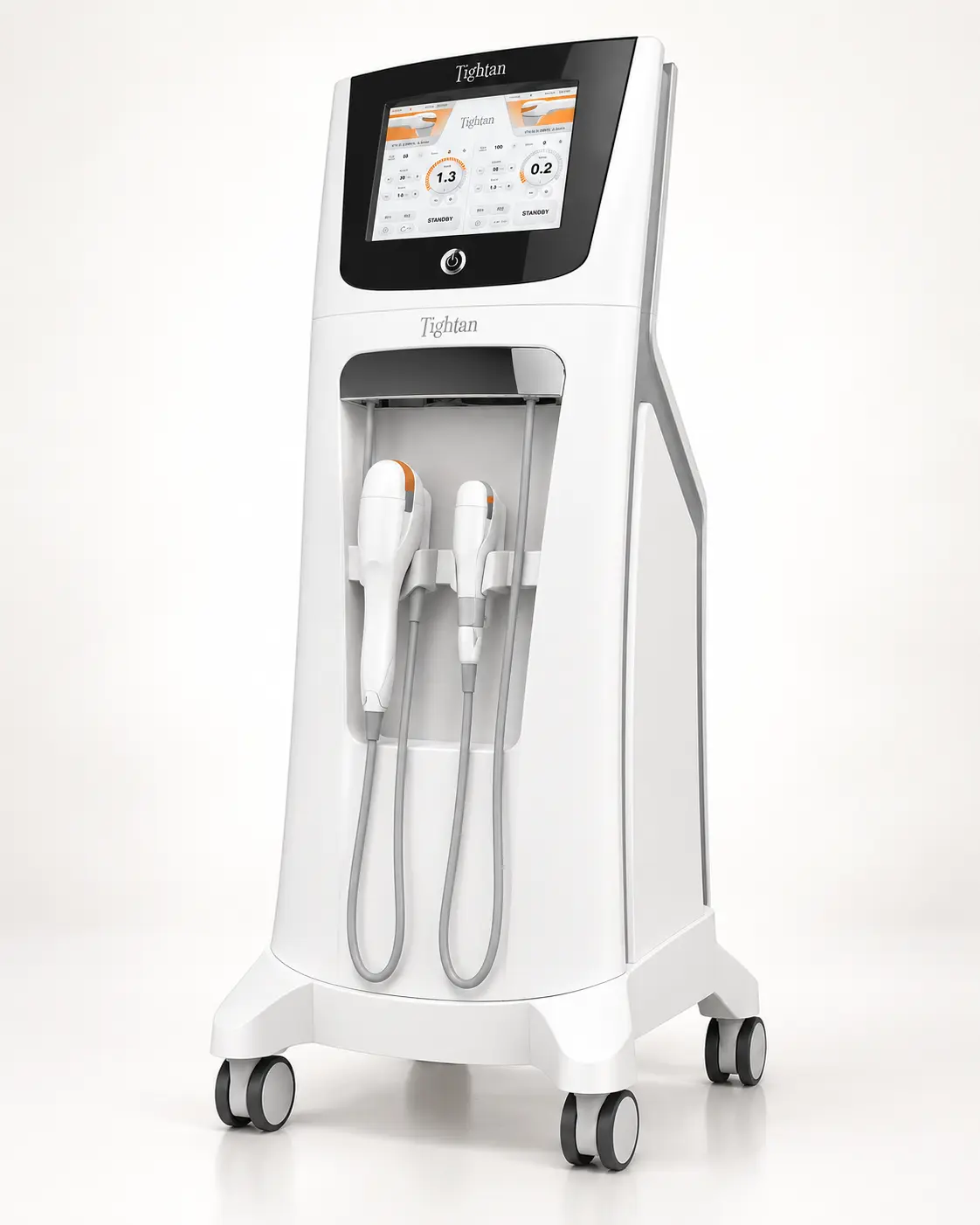
Tightan HIFU delivers focused ultrasound at planned tissue depths for mild-to-moderate facial laxity, early jowling and softer jawline definition.
Explore Tightan HIFU →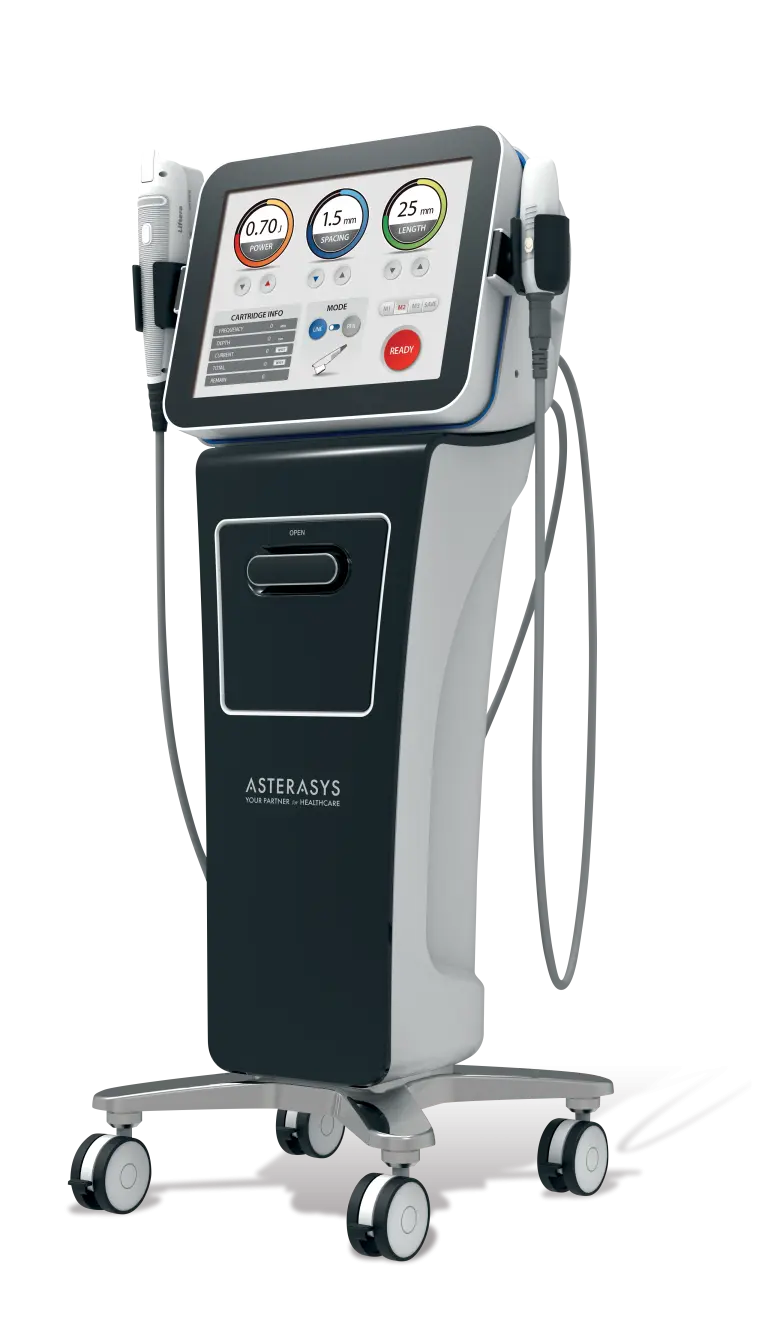
Liftera A delivers focused ultrasound through different applicators, allowing treatment to be mapped across planned facial areas and depths.
Learn about Liftera A →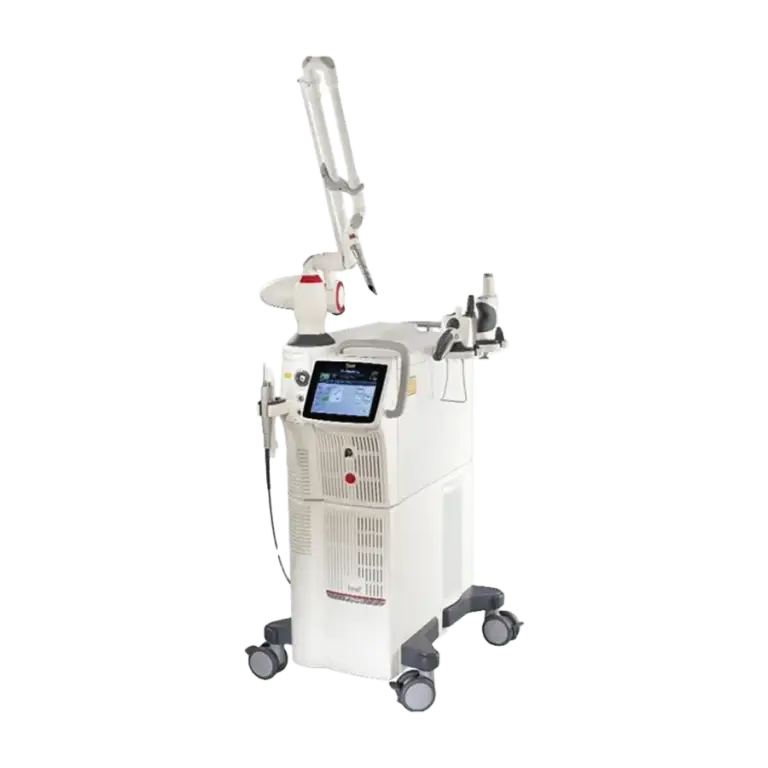
Fotona 4D uses laser-based treatment modes to address skin quality and age-related facial changes across multiple treatment layers.
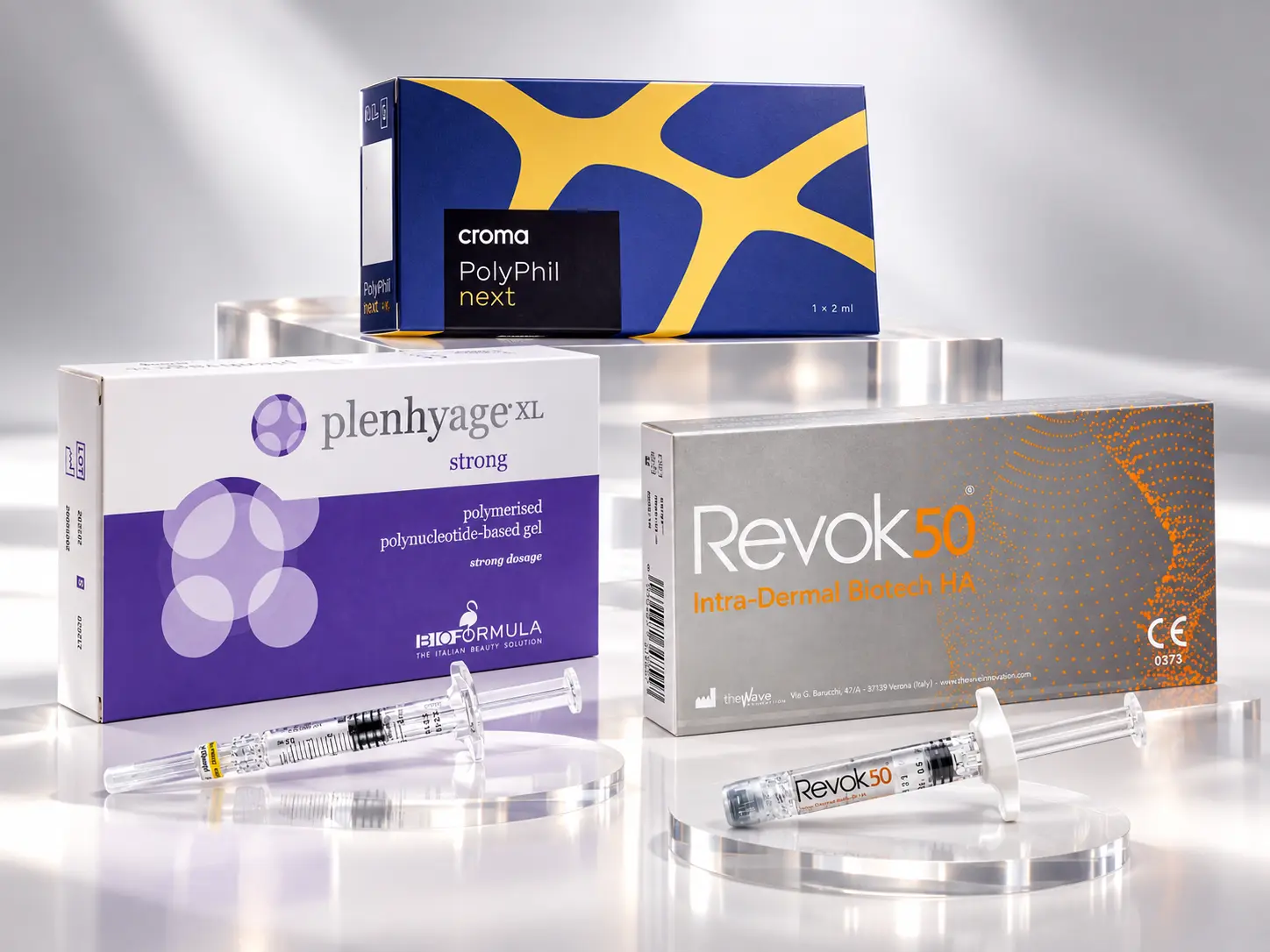
Skin boosters focus on hydration, texture and overall skin quality. They complement lifting treatments when laxity and skin quality are treated together.
Explore Skin Boosters →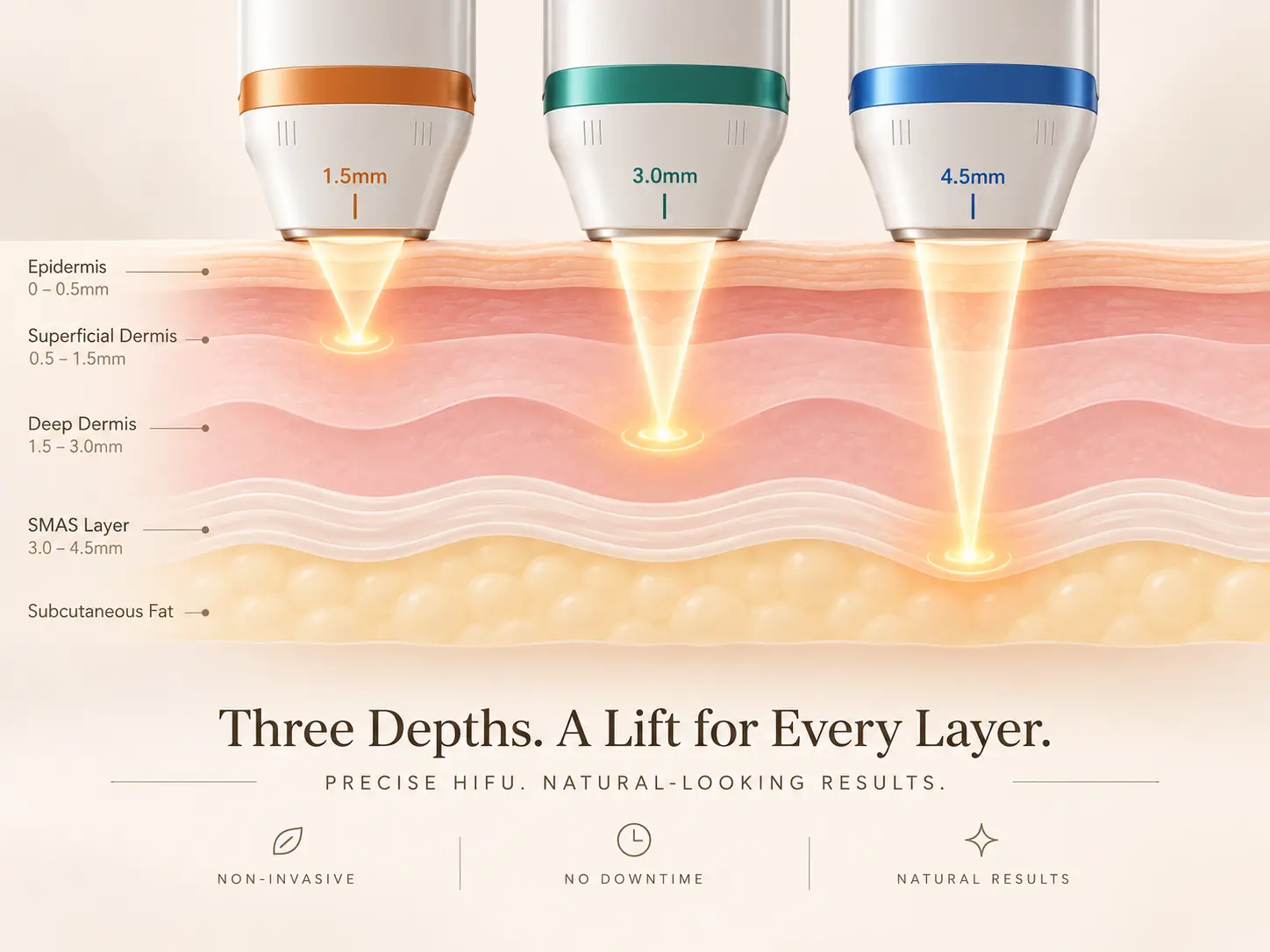
Tissue thickness and anatomy vary between the cheeks, jawline, under-chin area and other facial regions.
Focused-ultrasound treatment uses different depths to match the intended tissue level and facial area.
Effective planning focuses on placement, depth and distribution of energy.
The treatment pattern is mapped to your facial anatomy.
Skin laxity, facial volume, fat distribution and bone structure each shape the lower face. A focused assessment shows which factor deserves attention first.
Start with the concern. Then match the treatment to facial anatomy, tissue depth and the result you want to achieve.
| Main Concern | Possible Direction | Important Point |
|---|---|---|
| Mild facial laxity | Focused ultrasound | Tightan or Liftera is selected according to facial anatomy and treatment goals. |
| Early jowling | Facial tightening assessment | The plan assesses skin laxity, volume and lower-face structure together. |
| Skin quality + laxity | Laser or combination planning | Different technologies address different aspects of facial ageing. |
| Dryness / texture | Skin-quality treatment | Skin boosters target hydration and texture; lifting treatments target tissue laxity. |
| Significant excess skin | Alternative assessment | The degree of correction guides the choice between non-surgical tightening and surgical assessment. |
Explore focused guides on HIFU, skin ageing and skin quality to understand each treatment pathway.
Learn about HIFU treatment depths, facial anatomy, jawline treatment and treatment planning.
Read Tightan Guide →Understand how sun exposure, lifestyle and daily skin protection influence visible ageing.
Read the Guide →Compare different approaches for hydration, texture and overall skin quality.
Explore Skin Boosters →Collagen-remodelling treatments develop their visible effect progressively after treatment.
Your treatment plan is tailored to facial anatomy, degree of laxity, skin condition and treatment goals.
Mild-to-moderate laxity fits a non-surgical tightening pathway. Advanced laxity or excess skin needs a different treatment pathway.
These independent medical resources provide further information about collagen, skin ageing and available approaches to skin tightening.
Facial sagging develops through changes in collagen, elastin, facial volume and deeper tissue support. Cumulative ultraviolet exposure also accelerates visible skin ageing.
HIFU delivers focused ultrasound at planned tissue depths to stimulate a tightening and collagen-remodelling response. It is commonly used for mild-to-moderate facial laxity, early jowling and softer facial definition.
Both are focused-ultrasound platforms. Their device design, applicators and treatment delivery differ. The doctor selects the platform according to treatment area, facial anatomy and treatment objective.
Skincare supports hydration, barrier function, texture and protection against premature ageing. Procedural treatments address deeper tissue laxity and structural change.
Collagen-remodelling treatments develop progressively over the weeks and months after treatment. The timeline is reviewed during consultation according to the chosen procedure.
Advanced laxity or excess skin needs a clear assessment of the degree of correction required. That assessment guides the treatment pathway, including surgical referral when the concern requires it.
Book a focused facial assessment. Our doctor assesses skin laxity, facial volume, lower-face structure and overall skin quality, then builds a treatment plan around your priorities.