Addressing
Acne Scars
With Laser
Acne scars can persist long after breakouts resolve. At Renora Clinic, we offer three laser-based treatment options — CO₂, Fotona, and Pico — each suited to different scar types and skin conditions. Our doctors will assess your skin and recommend the most appropriate approach for you.
CO₂ Laser In Detail
Ablative resurfacing · Collagen remodelling · Atrophic scars
Fotona Laser
Non-ablative · Dual-wavelength · Suitable for darker skin tones
Pico Laser
Picosecond pulses · Pigmentation & superficial scars · Minimal downtime
 -->
-->
Renora Clinic, KL
Medical-Grade
CO₂ Fractional
Laser System
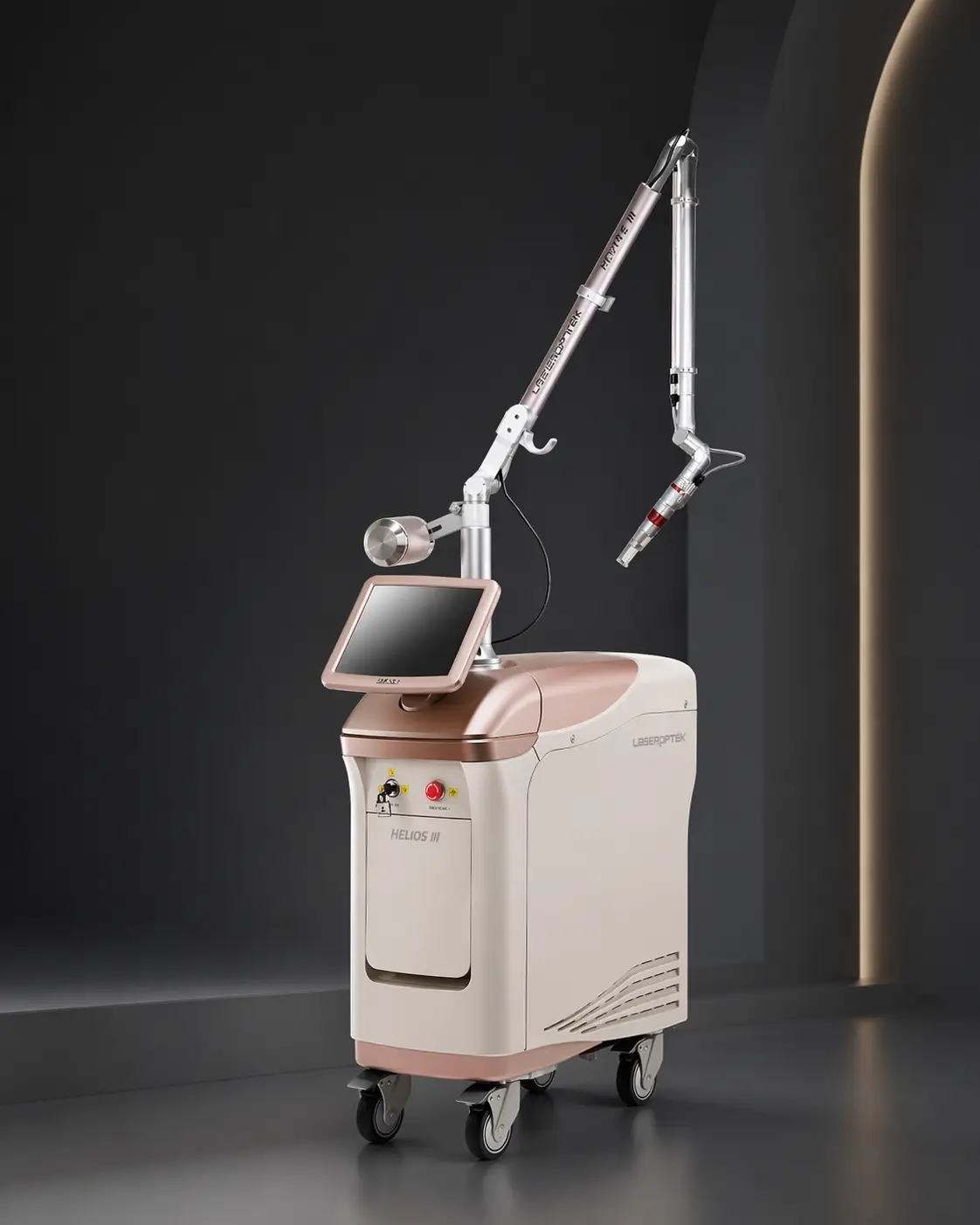
Our CO₂ fractional laser is a fully calibrated, clinic-grade device delivering precise micro-ablative treatment. Settings are adjusted per session based on scar depth, skin tone, and individual response — ensuring consistent, controlled energy delivery every time.
Types of Acne Scars
Not all acne scars are the same. Identifying the type you have is an important first step — it guides which treatment approach is most likely to be helpful for your skin.
Ice Pick Scars
Narrow, deep channels extending into the dermis. These are among the more challenging scar types to treat due to their depth. Ablative laser resurfacing may help improve their appearance over several sessions.
Boxcar Scars
Round or oval depressions with well-defined, sharp edges. Commonly found on the cheeks and temples. They tend to respond well to resurfacing treatments, though multiple sessions are typically needed.
Rolling Scars
Wider, undulating depressions caused by fibrous tissue pulling the skin surface downward. Often benefit from a combination approach. Results vary depending on depth and extent.
Hypertrophic Scars
Raised scars resulting from excess collagen during healing. More common along the jawline and chest. These require a different treatment strategy and are generally not suited to ablative laser.
Post-Inflammatory Hyperpigmentation (PIH)
Dark marks left after acne heals — not true scarring, but a change in pigmentation. Generally more straightforward to address than structural scars. Pico laser is often well-suited to PIH.
Not Sure Which Type You Have?
A proper assessment by our doctors is the right place to start. Many people have a mix of scar types, and treatment plans are typically tailored to what's actually present on your skin.
 -->
-->
 -->
-->
 -->
-->
CO₂ Fractional
Laser Resurfacing
CO₂ fractional laser is a well-established ablative treatment for atrophic acne scars. It uses infrared energy at 10,600nm to remove thin layers of skin and stimulate the skin's natural healing response, including collagen production. It is one of the more intensive laser options available, with a corresponding recovery period.
The Mechanism of
CO₂ Fractional Laser
The laser creates thousands of micro-columns in the skin, removing damaged tissue while leaving surrounding skin intact to support the healing process.
Energy Absorption
Infrared photons are absorbed by water in skin cells. The high water content of soft tissue means energy is deposited with reasonable precision in the target zone.
Controlled Ablation
The laser removes thin columns of skin including scarred tissue. Penetration depth can be adjusted depending on scar severity and skin type.
Healing Response
The controlled injury triggers fibroblast activity — your body produces new collagen and elastin as part of the natural wound healing process.
Skin Remodelling
Over weeks to months, new skin forms in the treated areas. Surface texture may improve, and the appearance of atrophic scars can become less pronounced.
Who Is CO₂ Laser
Suitable For?
CO₂ laser is appropriate for certain scar types and skin conditions. A proper consultation is needed to determine whether it is the right option for you.
Ice Pick & Boxcar Scars
These are among the scar types most commonly treated with CO₂ fractional laser. The ablative action can help smooth scar edges and stimulate collagen infill over multiple sessions.
Rolling Scars (Combined Approach)
CO₂ laser may be used alongside subcision for rolling scars — subcision addresses the fibrous tethering beneath, while laser treats the surface. Combination outcomes vary by individual.
Skin Texture & Enlarged Pores
The resurfacing process can improve overall skin texture and reduce the appearance of enlarged pores. This is a secondary benefit rather than a primary indication.
Photoageing & Fine Lines
CO₂ laser is also used to address fine lines and mild skin laxity associated with sun damage and ageing, as collagen stimulation can contribute to improved skin quality over time.
Surface Pigmentation
By removing the outer layers of skin, CO₂ laser can help even out surface pigmentation. However, it carries a risk of post-inflammatory hyperpigmentation, particularly in darker skin tones.
Not Recommended For:
Active acne breakouts, Fitzpatrick skin types V–VI (higher risk of PIH), pregnancy or breastfeeding, history of keloid scarring, or recent isotretinoin use. Individual assessment is essential before proceeding.
 -->
-->
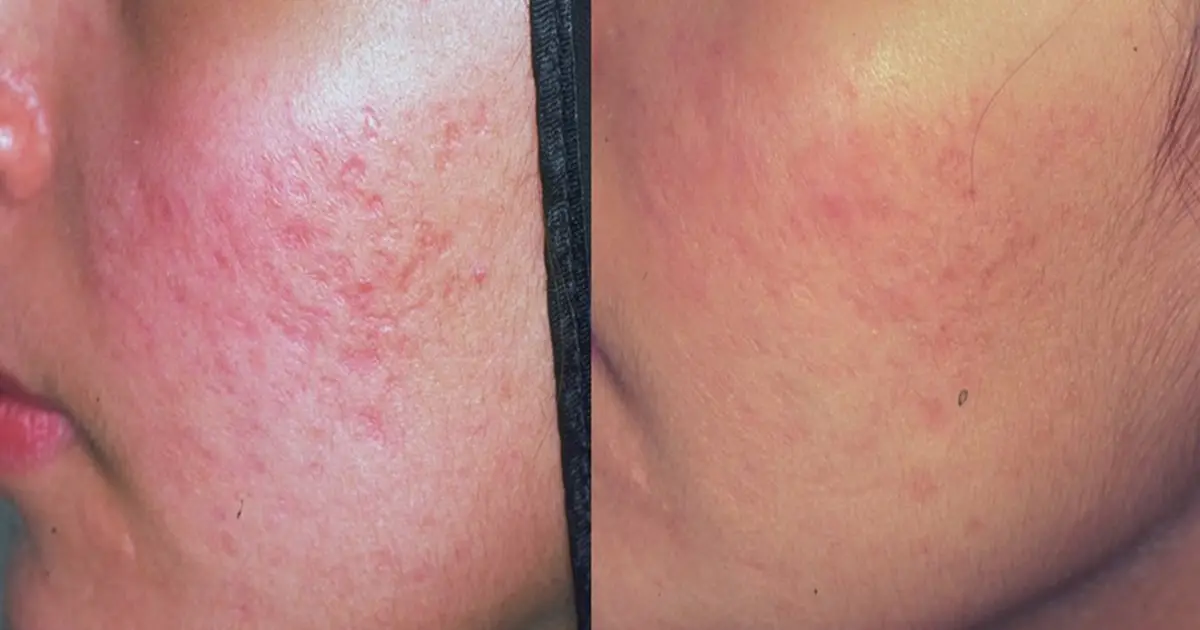
Before & After CO₂
What CO₂ Laser
Can Achieve
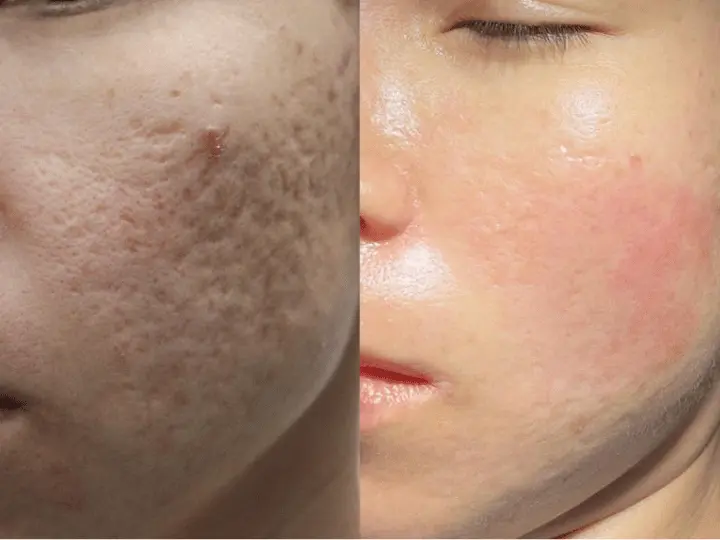
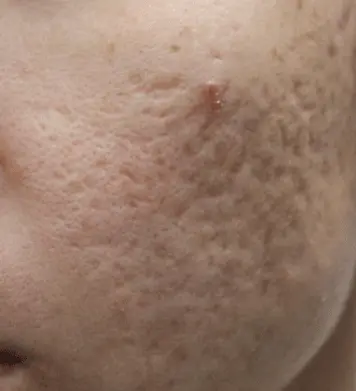
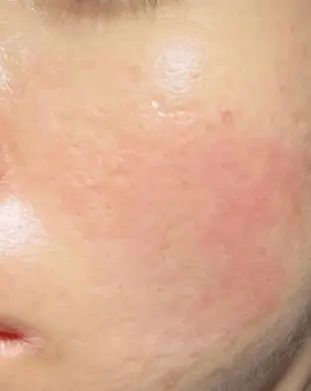
Improvement in scar appearance is gradual and cumulative — most patients notice meaningful changes across 3–5 sessions. Results are influenced by scar type, depth, skin tone, and how consistently aftercare guidelines are followed. Realistic expectations are discussed at your consultation.
Why CO₂ Laser May
Be Right For You
CO₂ fractional laser has a well-documented history in the treatment of acne scars. Here is what the treatment offers — and what to keep in mind.
Ablative Depth
Unlike non-ablative treatments that deliver heat below the surface, CO₂ laser physically removes damaged skin layers. This can allow it to address scars that respond less well to gentler approaches.
Fractionated Delivery
Modern fractional CO₂ treats approximately 15–30% of the skin surface per session, leaving surrounding tissue intact. This reduces recovery time compared to fully ablative (non-fractional) CO₂ laser.
Visible Improvement Over Time
Many patients notice improvement in scar appearance as the skin heals and remodels. Results typically continue developing over 3–6 months following each session.
Collagen Stimulation
The controlled thermal injury created by the laser prompts the skin to produce new collagen. This is central to how scar appearance can improve over successive sessions.
Long-lasting Skin Changes
Structural improvements to the skin from collagen remodelling tend to be maintained. Ongoing sun protection and skincare support long-term outcomes.
Established Clinical Record
CO₂ fractional laser has been in clinical use for over two decades and is supported by a substantial body of published research in dermatology and aesthetic medicine.
What to Expect,
Step by Step
Understanding the timeline helps you prepare and set realistic expectations. Individual experiences may vary.
| Stage | Timeframe | What Happens | How It Feels |
|---|---|---|---|
| Consultation & Assessment | 30–45 min | Scar type and skin type evaluation, photo documentation, treatment planning and discussion of realistic expectations | No procedure involved |
| Pre-treatment (Topical Anaesthetic) | 30–45 min | Numbing cream (EMLA) applied to the treatment area to reduce discomfort during the procedure | Mild numbness |
| Laser Session | 20–40 min | Fractional laser applied in passes over the treatment area. Parameters adjusted per zone and skin type | Heat and mild stinging |
| Immediate Post-treatment | Days 1–2 | Redness and swelling are expected — this is a normal part of the healing response, not a complication | Redness, warmth, some swelling |
| Peeling Phase | Days 3–7 | The treated skin begins to shed. Allow this to happen naturally — do not pick or peel the skin | Dry, tight, mild itching |
| Early Improvement Visible | Weeks 2–4 | Fresh skin beneath is often smoother in texture. Some improvement in scar appearance may be noticeable | Skin feels softer |
| Continued Remodelling | Months 3–6 | Collagen continues to mature and reorganise. Most of the visible improvement from each session occurs within this window | Gradual change |
Aftercare Following
CO₂ Laser
Proper aftercare supports healing and helps protect your skin during the recovery period. Your doctor will provide specific instructions at your appointment.
✅ Recommended
- Apply the prescribed moisturiser regularly to keep the skin hydrated and prevent excessive dryness
- Use a broad-spectrum SPF 50+ sunscreen every day, including indoors near windows
- Drink adequate water to support your body's healing process
- Let skin shed naturally — do not pick, rub, or peel it
- Sleep with your head slightly elevated to help reduce swelling in the first few days
- Take any prescribed medications as directed by your doctor
- Contact the clinic if you notice signs of infection or an unexpected reaction
❌ Avoid
- Direct sun exposure for at least 4–6 weeks following treatment — this is important for healing and to reduce pigmentation risk
- Active skincare ingredients such as retinol, AHAs, BHAs, or Vitamin C for at least 2 weeks
- Swimming or hot baths or showers within the first 48 hours
- Heavy makeup until the skin has healed sufficiently (typically 7–10 days)
- Strenuous exercise or activities that cause heavy sweating in the first few days
- Smoking, as it can impair healing and affect overall skin recovery
Common Questions
About CO₂ Laser
Answers to questions we hear regularly. For anything not covered here, our team is happy to help during a consultation.
Ready to Discuss
Your Skin?
Speak with one of our doctors to find out which treatment approach is appropriate for your skin.
Consultations are available in person at our clinic.
Visit Renora Clinic
Experience doctor-led aesthetic care in a calm, premium clinical environment.


Fotona
4D Laser
Treatment
Fotona is a dual-wavelength, non-ablative laser platform that addresses acne scars and skin texture through deep tissue heating — without removing the skin surface. It is generally considered a gentler option than CO₂ laser, with a shorter recovery period and broader suitability across skin tones.
CO₂ Laser
Ablative resurfacing · Collagen remodelling · Atrophic scars
Fotona Laser In Detail
Non-ablative · Dual-wavelength · Suitable for darker skin tones
Pico Laser
Picosecond pulses · Pigmentation & superficial scars · Minimal downtime
The Fotona
4D Laser System
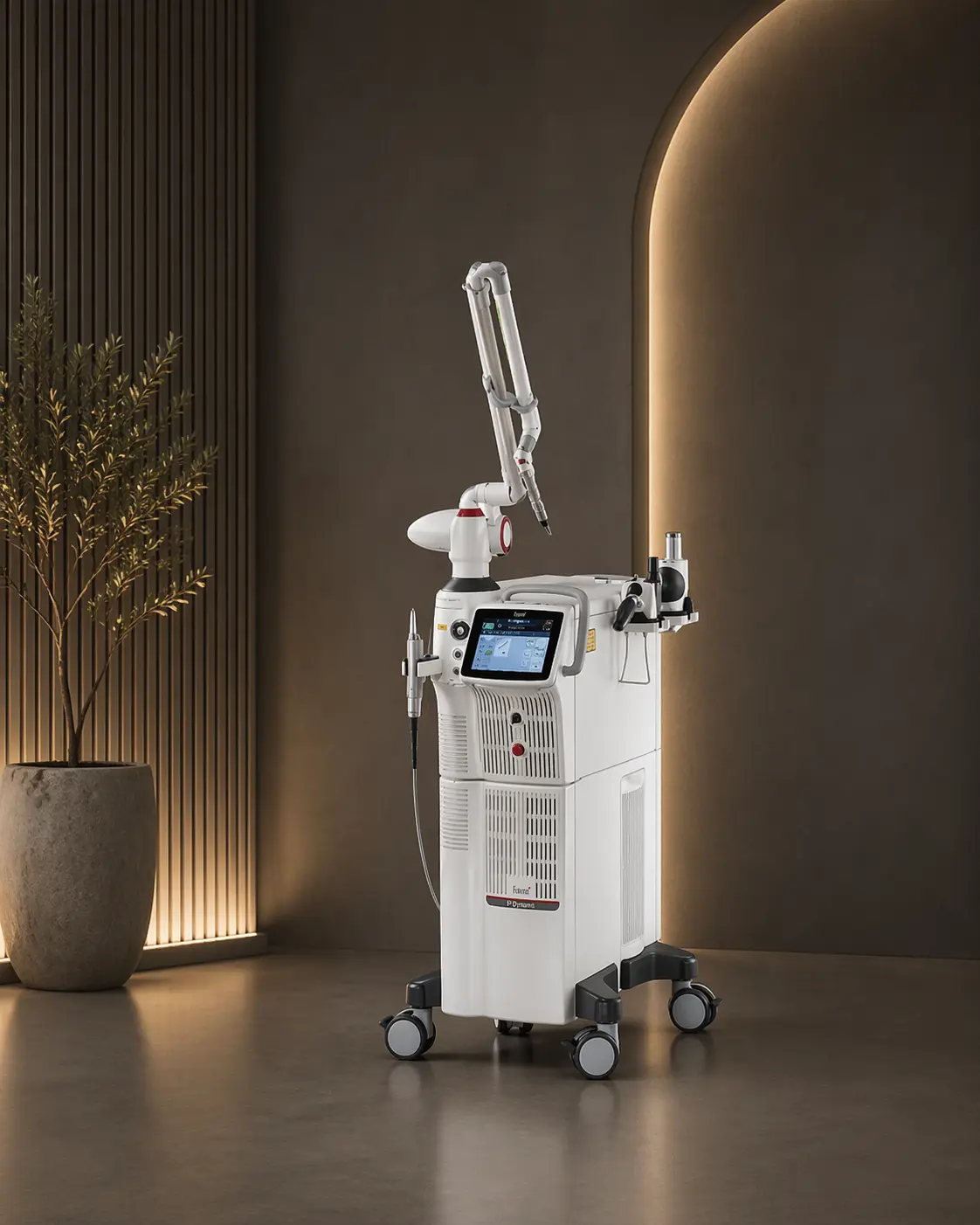
Fotona is a CE-marked, FDA-cleared dual-wavelength laser platform used in clinical dermatology and aesthetic medicine worldwide. Our system is maintained and calibrated to manufacturer specification, operated exclusively by trained medical professionals.
 -->
-->
Renora Clinic, KL
Fotona vs CO₂ Laser:
Key Differences
Both lasers address acne scars, but they work differently and suit different patients. Understanding the distinction helps you make an informed decision with your doctor.
| Factor | Fotona Laser | CO₂ Laser |
|---|---|---|
| Mechanism | Non-ablative — heats tissue below the surface without removing the skin layer | Ablative — physically removes the outer skin layer and underlying scar tissue |
| Downtime | Typically 1–2 days of mild redness | Typically 5–7 days of redness, swelling, and peeling |
| Skin Tone Suitability | Suitable for a broader range including Fitzpatrick IV–VI | Higher risk of PIH in darker skin types; requires more caution |
| Scar Depth Addressed | Moderate — works well for rolling scars and overall texture | Deeper — better suited to ice pick and boxcar scars with more structural change |
| Sessions Needed | Typically 4–6 sessions | Typically 3–5 sessions |
| Best For | Patients preferring shorter recovery, darker skin tones, rolling scars, skin laxity | Patients with deeper atrophic scars who can accommodate more downtime |
Individual suitability depends on a full skin assessment. Many patients benefit from a combination of both treatments over time.
Four Treatment Modes,
One Session
The Fotona 4D protocol layers four distinct laser modes in sequence. Each mode addresses a different aspect of skin quality and scar appearance, from deep tissue to the skin surface.
Intraoral Collagen
Er:YAG energy is delivered intraorally (inside the mouth) to heat the mucosa and stimulate collagen from within — particularly useful for lower face laxity and perioral lines. This step is specific to the 4D protocol.
Deep Fractional
Nd:YAG laser is delivered in a fractional pattern, creating micro-thermal zones deep in the dermis. This stimulates fibroblasts to produce new collagen and helps address deeper scar tissue over time.
Bulk Heating
A continuous Nd:YAG pass that heats the deeper dermis evenly. The heat is distributed gradually to avoid surface damage while encouraging collagen contraction and remodelling in the mid-to-deep dermis.
Surface Refinement
A light Er:YAG pass over the skin surface refines texture, reduces superficial irregularities, and gives the skin a smoother appearance. This is a gentle step with minimal recovery required.
Who Is Fotona Laser
Suitable For?
Fotona's non-ablative nature makes it appropriate for a wider range of patients than ablative alternatives. A consultation is still needed to assess individual suitability.
Rolling Scars
The deep dermal heating of Fotona — particularly the FRAC₃ and PIANO modes — may help address the fibrous changes underlying rolling scars, improving the wavy surface appearance over time.
Shallow Boxcar Scars
Boxcar scars with less defined or shallower edges may respond to Fotona's collagen stimulation approach. Deeper boxcar scars may benefit from CO₂ laser or a combined approach.
Darker Skin Tones (Fitzpatrick IV–VI)
Because Fotona does not ablate the skin surface, it carries a lower risk of post-inflammatory hyperpigmentation compared to CO₂ laser. This makes it a more accessible option for patients with melanin-rich skin.
General Skin Texture & Laxity
Beyond scars, Fotona's bulk heating modes can address mild skin laxity and uneven texture — a consideration for patients whose concerns extend beyond scarring alone.
Limited Downtime Preference
Patients who cannot accommodate the 5–7 day recovery of CO₂ laser — due to work or social commitments — may find Fotona's 1–2 day recovery more manageable while still progressing toward treatment goals.
Considerations & Limitations
Fotona is generally less effective than CO₂ for deep ice pick scars. Active acne, certain skin conditions, pregnancy, and recent isotretinoin use may contraindicate treatment. Individual assessment is required.
 -->
-->
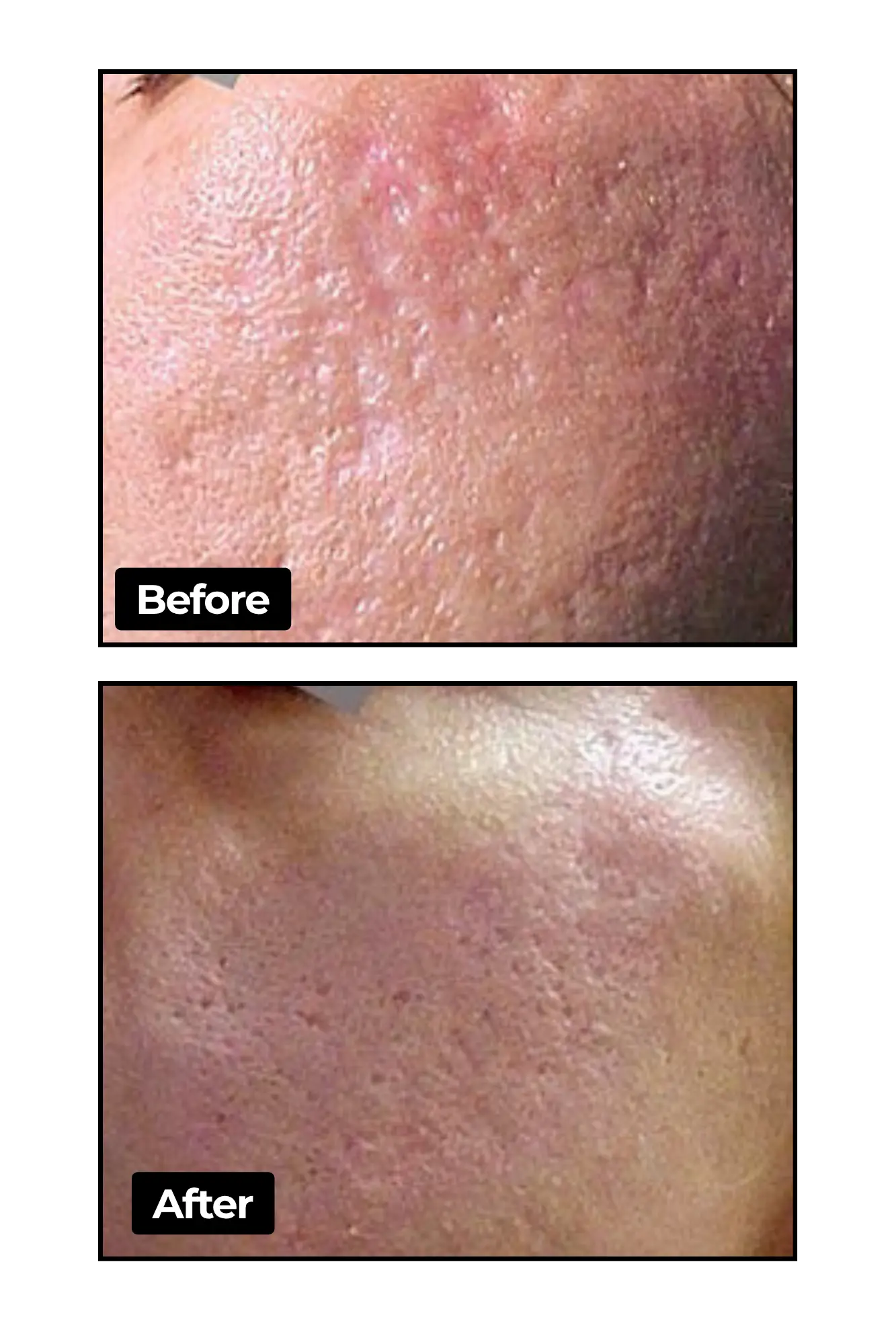
Before & After
Gradual, Cumulative
Improvement
Because Fotona is non-ablative, changes are subtler per session but accumulate meaningfully across a full course. Most patients notice improving skin texture, softened scar edges, and improved overall tone from around the third session onward — with continued development for weeks after each visit.
What to Expect,
Step by Step
The Fotona treatment process is similar to other clinic laser procedures, with a notably shorter recovery window. Individual experiences may vary.
| Stage | Timeframe | What Happens | How It Feels |
|---|---|---|---|
| Consultation & Assessment | 30–45 min | Skin type and scar evaluation, discussion of treatment modes to be used, documentation and goal-setting | No procedure involved |
| Pre-treatment Preparation | 15–20 min | Topical numbing cream applied where needed. No extended pre-treatment time required for most patients | Mild numbness in treated area |
| Laser Session (4D Protocol) | 30–60 min | Each of the four modes applied in sequence. The treating doctor adjusts parameters for your skin type and areas of concern | Warmth, mild tingling, occasional brief heat sensation |
| Immediate Post-treatment | Hours 1–6 | Skin may feel warm and appear flushed or lightly red. This typically settles within the same day or overnight | Mild warmth, some redness |
| Recovery Period | Days 1–2 | Most patients experience only mild redness that fades within 24–48 hours. No significant peeling expected | Mild sensitivity, skin may feel slightly dry |
| Early Results Visible | Weeks 3–6 | As collagen begins to remodel, some improvement in skin texture and scar appearance may be noticeable. Results are gradual | Skin feels smoother over time |
| Continued Improvement | Months 2–4 | Collagen remodelling continues between sessions. Most visible progress occurs when the full course of treatment is completed | Gradual cumulative change |
Aftercare Following
Fotona Laser
Recovery after Fotona is generally straightforward. The steps below help your skin settle and maintain the conditions for healthy collagen remodelling.
✅ Recommended
- Apply the recommended moisturiser as directed to keep skin comfortable during the mild recovery phase
- Use SPF 50+ sunscreen every day — UV exposure can affect healing and pigmentation outcomes
- Stay well hydrated to support your skin's repair processes
- Follow any specific instructions given by your doctor regarding the SMOOTH (intraoral) step if it was performed
- Attend follow-up appointments and complete the recommended course of sessions for best results
- Contact the clinic if you notice anything unexpected or have concerns after your treatment
❌ Avoid
- Direct, prolonged sun exposure for at least 2–4 weeks following treatment
- Active skincare ingredients (retinol, AHAs, BHAs) for 5–7 days post-treatment
- Hot baths, steam rooms, or saunas within 48 hours of treatment
- Strenuous exercise that causes heavy sweating on the day of treatment
- Skipping sessions — the 4D protocol is designed as a course and results depend on completing it
- Smoking, as it impairs dermal healing and collagen production
Common Questions
About Fotona Laser
Answers to questions we hear regularly about Fotona. For more detailed guidance, our team is available during a consultation.
Ready to Discuss
Your Skin?
Speak with one of our doctors to find out whether Fotona is the right approach for your scar type and skin.
Consultations are available in person at our clinic.
Visit Renora Clinic
Experience doctor-led aesthetic care in a calm, premium clinical environment.
Pico
Laser
Treatment
Pico laser uses ultra-short energy pulses — measured in picoseconds — to target pigmentation and scar tissue with a predominantly photoacoustic mechanism. It is the lowest-downtime option among the three lasers we offer, and is particularly well-suited to pigmentation concerns and superficial scar texture. For deeper structural scars, it is often used as part of a broader treatment plan.
CO₂ Laser
Ablative resurfacing · Collagen remodelling · Atrophic scars
Fotona Laser
Non-ablative · Dual-wavelength · Suitable for darker skin tones
Pico Laser In Detail
Picosecond pulses · Pigmentation & superficial scars · Minimal downtime
 -->
-->
Renora Clinic, KL
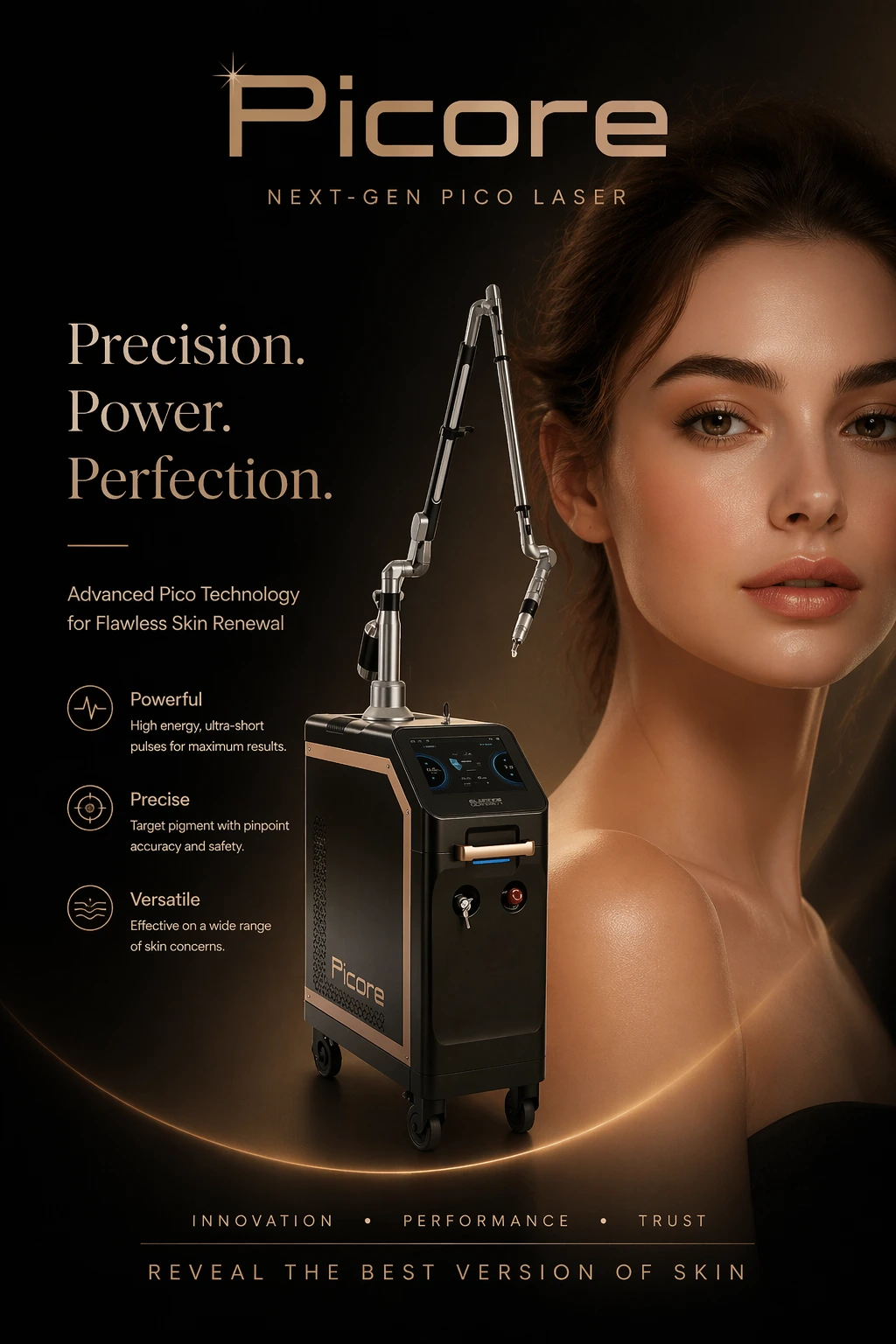
Picosecond Laser
Ultra-Fast Pulses
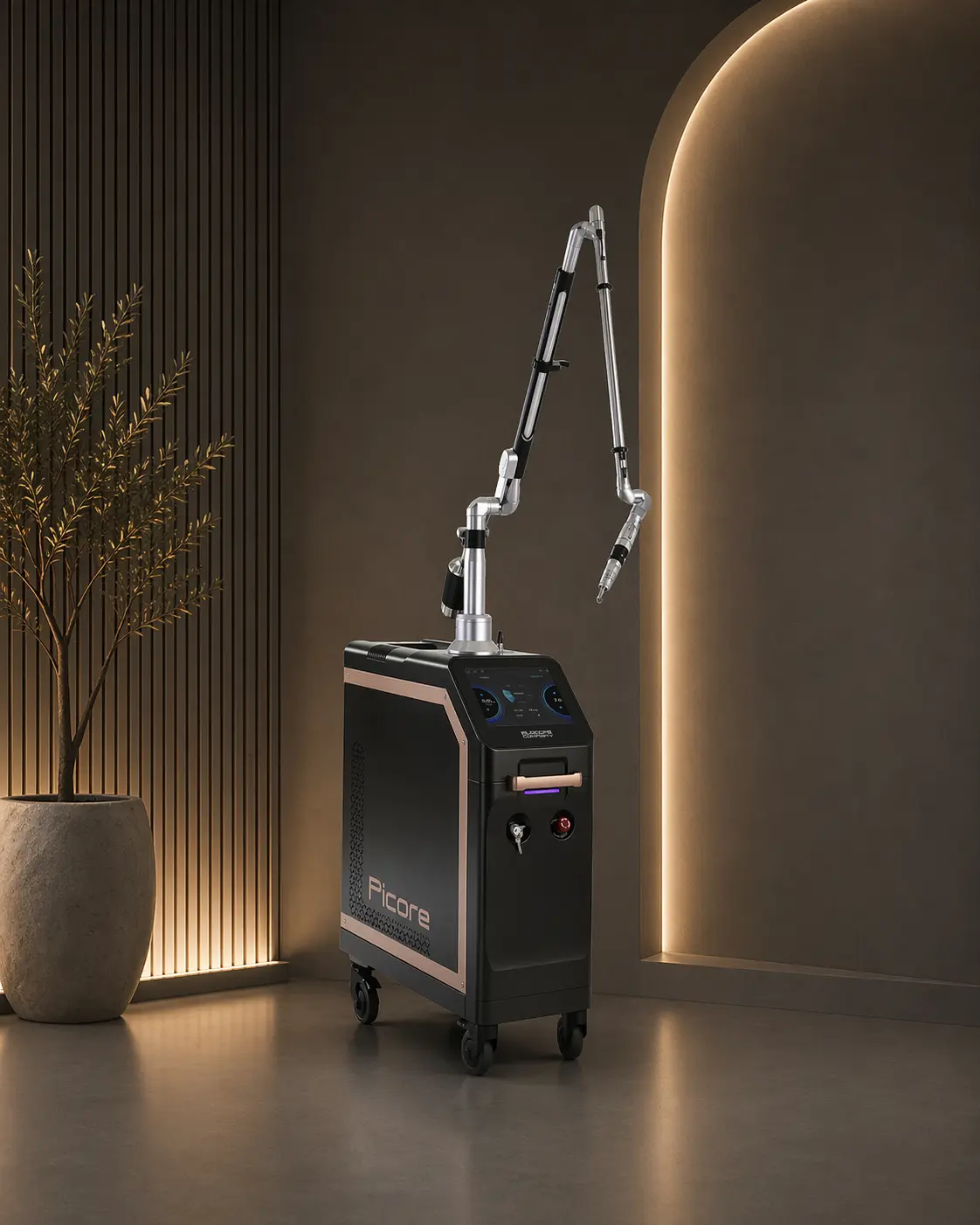
Our Pico laser system delivers energy in pulses measured in trillionths of a second — significantly shorter than conventional Q-switched lasers. This photoacoustic delivery mechanism enables targeted pigment fragmentation and controlled LIOB-based collagen induction with minimal thermal impact on surrounding tissue.
Pico vs CO₂ vs Fotona:
At a Glance
Understanding where Pico laser sits relative to the other two options helps set realistic expectations. Each laser has a distinct mechanism and a different role in treating acne scars.
| Factor | Pico Laser | Fotona Laser | CO₂ Laser |
|---|---|---|---|
| Mechanism | Photoacoustic — shatters targets via pressure rather than heat | Photothermal — heats dermis without removing surface | Ablative — removes outer skin layer |
| Primary Use | Pigmentation, PIH, superficial texture | Rolling scars, laxity, texture, darker skin | Atrophic scars (ice pick, boxcar), resurfacing |
| Downtime | Minimal — often none | 1–2 days mild redness | 5–7 days redness and peeling |
| Depth of Action | Superficial to mid-dermis | Mid to deep dermis | Epidermis to papillary dermis |
| Skin Tone Suitability | All Fitzpatrick types | All Fitzpatrick types | Fitzpatrick I–IV with caution |
| Best For | PIH, melasma, maintenance, mild texture, combination plan | Rolling scars, skin laxity, limited downtime preference | Structural atrophic scars, patients tolerating longer recovery |
Many patients use Pico laser in combination with CO₂ or Fotona — addressing pigmentation and surface texture while the other treatments handle deeper structural changes.
How Pico Laser
Works
Pico laser's mechanism differs meaningfully from both CO₂ and Fotona. Understanding this helps explain both what it does well and where its limitations lie.
Ultra-Short Pulse Delivery
Pulses lasting 450–750 picoseconds are fired at the target tissue. The energy is deposited so rapidly that there is limited time for heat to spread into surrounding tissue — this is the key difference from older laser technologies.
Photoacoustic Effect
Instead of burning or vapourising, the rapid pressure wave mechanically fragments pigment granules into smaller particles. These fragments are more readily cleared by the body's immune cells (macrophages) over subsequent weeks.
LIOB & Collagen Induction
At higher energy settings with a focused lens array, pico laser can create Laser-Induced Optical Breakdowns (LIOBs) — micro-cavitations within the dermis that stimulate a collagen healing response without surface ablation.
Gradual Clearance
For pigmentation, results appear progressively over several weeks as the body clears fragmented melanin particles. For texture improvement, collagen remodelling from LIOBs continues for weeks to months after each session.
Conditions Pico Laser
Is Used For
Pico laser has a broader range of applications than CO₂ or Fotona. Its strength lies in pigmentation and surface-level concerns, with a secondary role in mild scar texture improvement.
Post-Inflammatory Hyperpigmentation (PIH)
Dark marks left after acne heals are among the most common concerns for patients seeking pico laser. The photoacoustic mechanism breaks down melanin deposits without the thermal risk that can worsen pigmentation in some skin types.
Melasma
Pico laser is increasingly used for melasma, particularly with the 755nm wavelength where available. Results can be meaningful but melasma is a complex, recurrent condition — maintenance treatments and strict sun protection are typically required.
Superficial Scar Texture
For shallow, superficial scars and overall skin roughness, the LIOB-induced collagen stimulation mode of pico laser can contribute to gradual texture improvement. It is less suited to deep atrophic scars than CO₂ or Fotona.
Tattoo Removal
Pico laser is also one of the more effective modalities for tattoo removal, as the photoacoustic mechanism fragments ink particles efficiently. This is a separate indication from acne scar treatment but uses the same underlying technology.
Generalised Pigmentation & Uneven Tone
Sun spots, freckles, and general pigmentary irregularities respond well to pico laser, particularly the 532nm wavelength which targets superficial melanin deposits. Multiple sessions are typically needed for sustained results.
Where Pico Has Limitations
Pico laser is not the primary treatment for deep structural scars (ice pick, deep boxcar). Patients expecting the same degree of scar revision as CO₂ laser from pico alone may be disappointed. It is best used for pigmentation, maintenance, or as part of a staged plan.
Who Is Pico Laser
Suitable For?
Pico laser is one of the more broadly suitable laser options, largely due to its minimal downtime and lower thermal burden. Individual assessment is still recommended before treatment.
All Skin Tones (Fitzpatrick I–VI)
The reduced thermal component of pico laser makes it generally safer across the full range of skin tones. It is often a preferred starting point for patients with darker skin who have pigmentation alongside mild scarring.
No Downtime Available
Patients who cannot take time off work or social activities will find pico laser the most accessible option. Most patients can resume their routine on the same day or the following day, with minimal visible recovery signs.
Primarily Pigmentation Concerns
For patients whose main concern is PIH, melasma, or uneven skin tone — with scarring as a secondary issue — pico laser is often the most appropriate primary treatment, with other lasers added if structural scar revision is later needed.
Maintenance Between Other Laser Sessions
For patients who have completed a course of CO₂ or Fotona, pico laser can serve as an ongoing maintenance option — managing residual pigmentation, supporting skin quality, and extending the results of prior treatments.
Patients New to Laser Treatment
Pico laser is sometimes a useful first step for patients who are new to laser-based treatments and want to assess their skin's response before committing to more intensive procedures with longer recovery times.
Cautions & Contraindications
Active acne, open wounds, certain skin conditions, and pregnancy may contraindicate treatment. Patients with a history of photosensitivity or on photosensitising medications require specific assessment before proceeding.
 -->
-->
 -->
-->
 -->
-->
 -->
-->
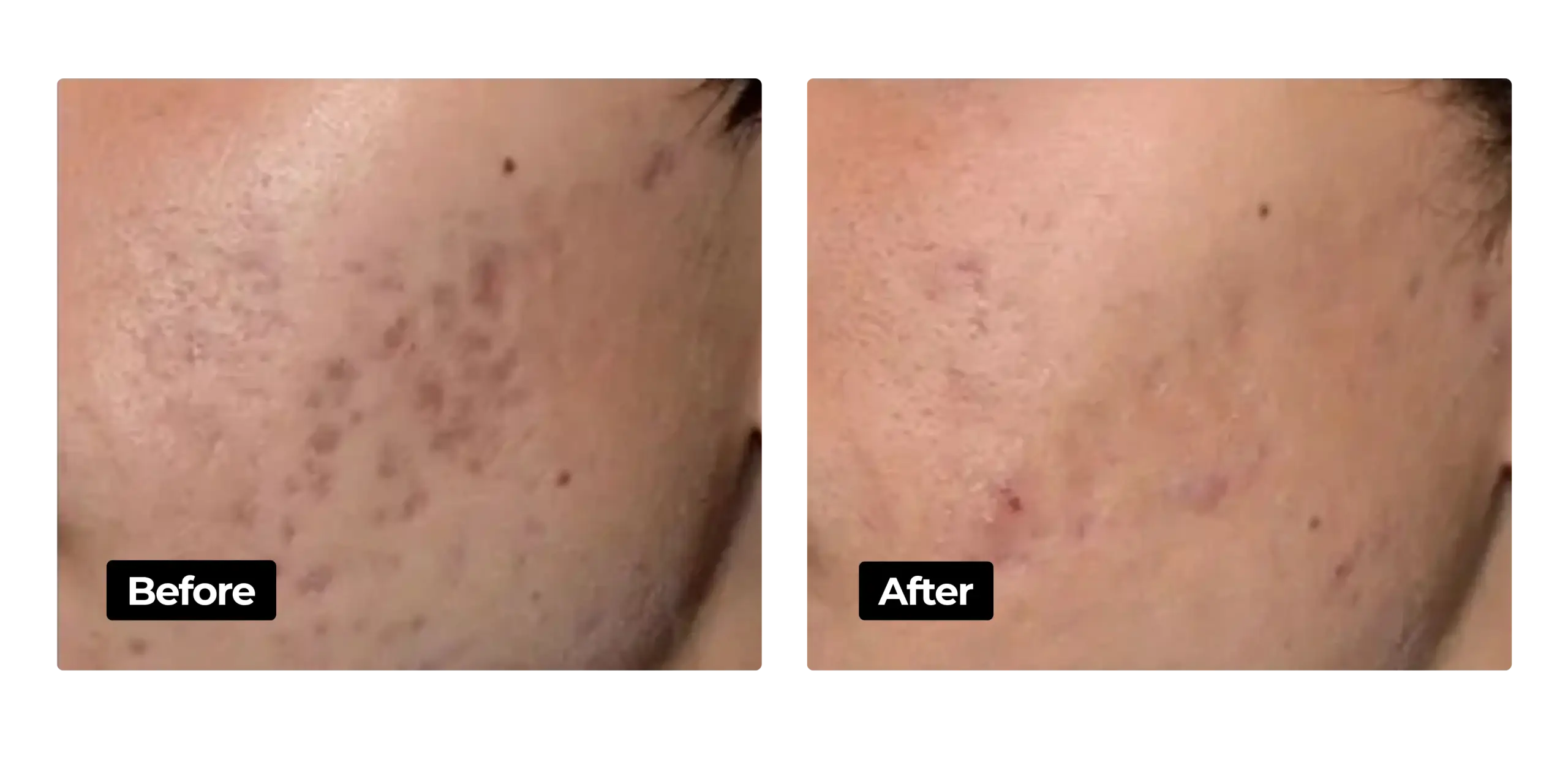
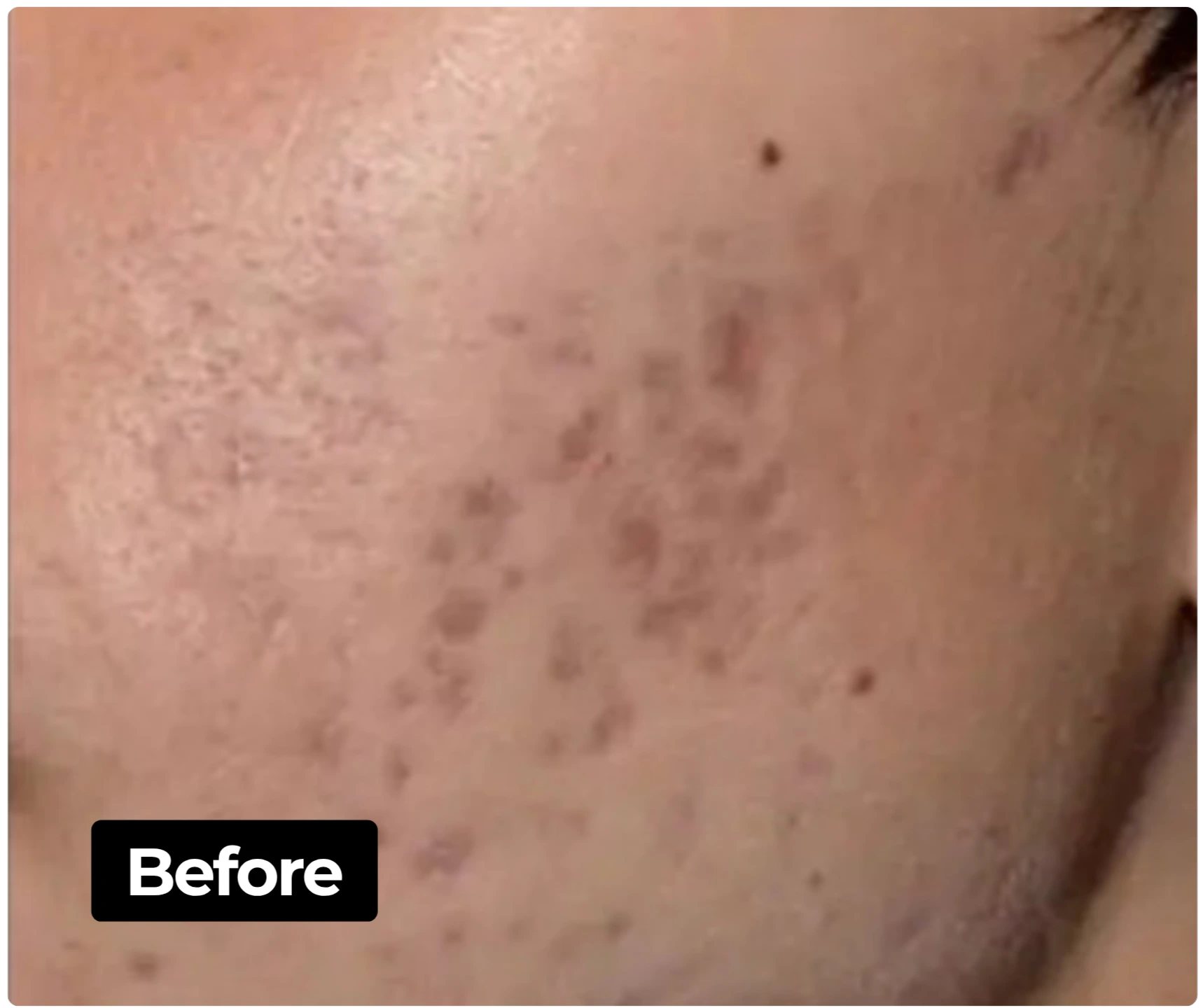
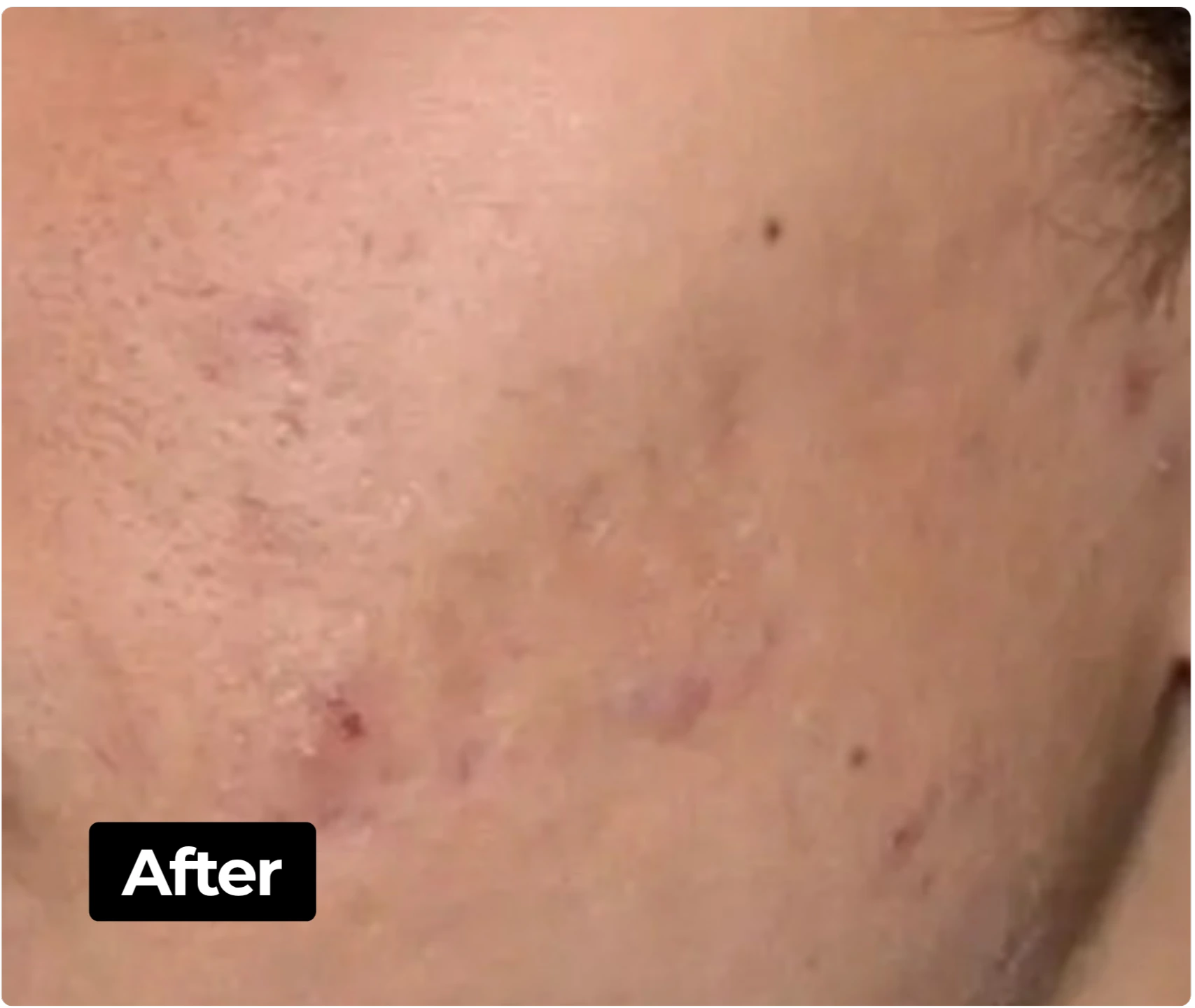
Pigmentation Before & After
Clearer Skin,
Session by Session
Pigmentation changes are typically the most noticeable early outcome from pico laser. Treated areas may initially darken in the first 1–2 weeks before gradually lightening as the body clears fragmented melanin. Texture improvements develop more slowly across the course of sessions.
What to Expect,
Step by Step
Pico laser sessions are generally quick and well-tolerated, with very little impact on your daily routine. Individual experiences may vary depending on skin type and settings used.
| Stage | Timeframe | What Happens | How It Feels |
|---|---|---|---|
| Consultation & Assessment | 30–45 min | Evaluation of pigmentation, scar type, and skin tone. Discussion of treatment goals, wavelength selection, and realistic expectations | No procedure involved |
| Pre-treatment Preparation | 15–20 min | Topical numbing cream may be applied for comfort, though many patients find pico laser comfortable without it at standard settings | Mild numbness if numbing applied |
| Laser Session | 20–40 min | Laser delivered across treatment areas using the selected wavelength and handpiece. Settings adjusted for your skin type and the specific concern being targeted | Snapping sensation, mild warmth |
| Immediate Post-treatment | Hours 1–4 | Skin may appear slightly flushed or pink. Some patients experience mild point-site redness at treated areas, which typically settles within a few hours | Mild warmth, slight tingling |
| Recovery Period | Same day to 24 hrs | Most patients have no visible signs of treatment by the following day. No peeling or significant shedding is expected at standard pigmentation settings | Skin may feel slightly sensitive |
| Pigmentation Response | Weeks 2–6 | For pigmentation, treated areas may initially darken slightly before gradually lightening as the body clears fragmented melanin. This is a normal part of the process | No discomfort expected |
| Continued Improvement | Across course | Results from pico laser are cumulative. Most patients complete 4–6 sessions to achieve their treatment goals, with results building progressively | Gradual change session to session |
Aftercare Following
Pico Laser
Pico laser aftercare is relatively simple compared to ablative treatments. The key priorities are sun protection and keeping the skin calm while it processes the treatment.
✅ Recommended
- Apply SPF 50+ broad-spectrum sunscreen every morning — UV exposure after pico laser can trigger or worsen pigmentation, undermining the treatment's effect
- Use a gentle, fragrance-free moisturiser to keep skin comfortable in the days following treatment
- Reapply sunscreen every 2 hours if outdoors, and consider wearing a hat for additional protection
- Be patient with pigmentation response — treated areas may look temporarily darker in the first 1–2 weeks before lightening
- Attend all sessions in your prescribed course — results are cumulative and spacing is intentional
- Inform your doctor of any unusual reactions, persistent redness, or changes that concern you
❌ Avoid
- Sun exposure without sunscreen — this is the single most important thing to avoid during and after a pico laser course for pigmentation
- Active exfoliating products (AHAs, BHAs, retinol) for 3–5 days after each session
- Picking or rubbing any darkened areas that appear after treatment — let the process complete naturally
- Steam rooms, saunas, or intense heat on the day of treatment
- Switching products or starting new active ingredients mid-course without discussing with your doctor
- Smoking throughout the treatment course, as it can affect skin healing and overall skin quality
Common Questions
About Pico Laser
Answers to what patients most commonly ask about pico laser. For personalised guidance, a consultation with our doctor is always the best starting point.
Ready to Discuss
Your Skin?
Speak with one of our doctors to find out whether Pico laser is the right approach for your concerns,
or how it might fit into a broader treatment plan.
Visit Renora Clinic
Experience doctor-led aesthetic care in a calm, premium clinical environment.