Can we really make wrinkles disappear?
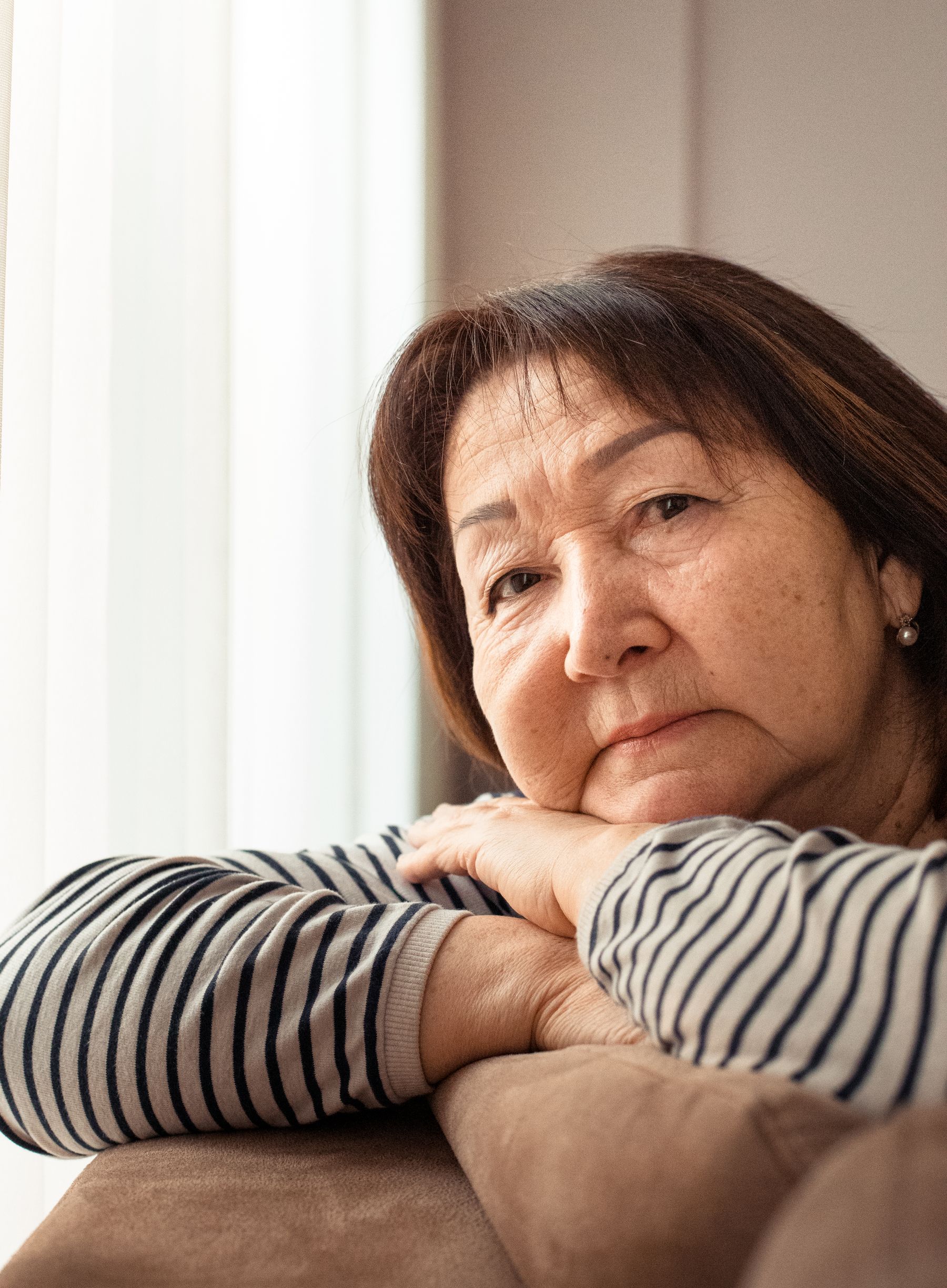
Some lines can be softened considerably. Others are better thought of as part of the architecture of an ageing face. The useful question is not simply how to erase them, but what is creating them in the first place.
If you are searching for how to reduce wrinkles, there is one important thing to know first: a wrinkle is not a single problem with a single solution.
A fine line caused mainly by dryness behaves differently from a crease repeatedly folded by facial movement. A line caused by lost facial volume is different again from rough, sun-damaged skin or loose tissue around the jawline.
This is why a cream, injection, laser or lifting treatment can produce a meaningful change in one person yet be a disappointing choice for another. Successful wrinkle treatment starts by matching the approach to the reason the line exists.
Not All Wrinkles Are the Same
Where the line appears, when you can see it and what the surrounding tissue is doing can all influence which approach makes sense.
Expression lines
These become more obvious when muscles move — for example, forehead lines, frown lines or crow's feet during expression. Repeated folding can gradually make some of them visible even when the face is relaxed.
Static fine lines
These remain visible at rest. Changes in collagen, elastin, hydration and accumulated environmental exposure may all contribute to a finer, creased skin surface.
Folds & structural changes
Deeper folds may involve much more than skin. Facial fat, supporting tissue, ligaments and bone structure change with age, while skin laxity may alter how light falls across the face.
A line on the skin may be the visible end-point of changes happening in several different layers of the face.
What Happens Beneath the Skin?
Facial ageing is often described as “losing collagen”, but that is only part of the story. The face is made of multiple interacting layers, and ageing affects each of them differently.
Why Do Wrinkles Become More Visible?
Intrinsic ageing is unavoidable, but the final appearance of facial wrinkles is also shaped by environment, movement and lifestyle.
Ultraviolet exposure
Long-term UV exposure contributes to photoageing and can affect collagen, pigmentation and skin texture. In Malaysia's high-UV environment, daily protection deserves particular attention.
Repeated facial movement
Smiling, squinting and frowning repeatedly fold skin in predictable areas. Over time some expression lines may remain visible even when the muscle is relaxed.
Natural ageing
Skin gradually becomes thinner, drier and less elastic. Changes also occur in deeper facial structures, not only at the surface.
Volume & structural change
Alterations in facial fat and support can make folds appear deeper even when the overlying skin itself is relatively healthy.
Smoking & environmental exposure
Smoking and environmental stressors may accelerate visible skin ageing. These effects accumulate rather than appearing overnight.
Dryness
Dehydrated or dry skin may make fine surface lines appear more obvious. Moisturiser can temporarily make them look softer, but does not reverse deeper structural ageing.

What Can Skincare Realistically Do?
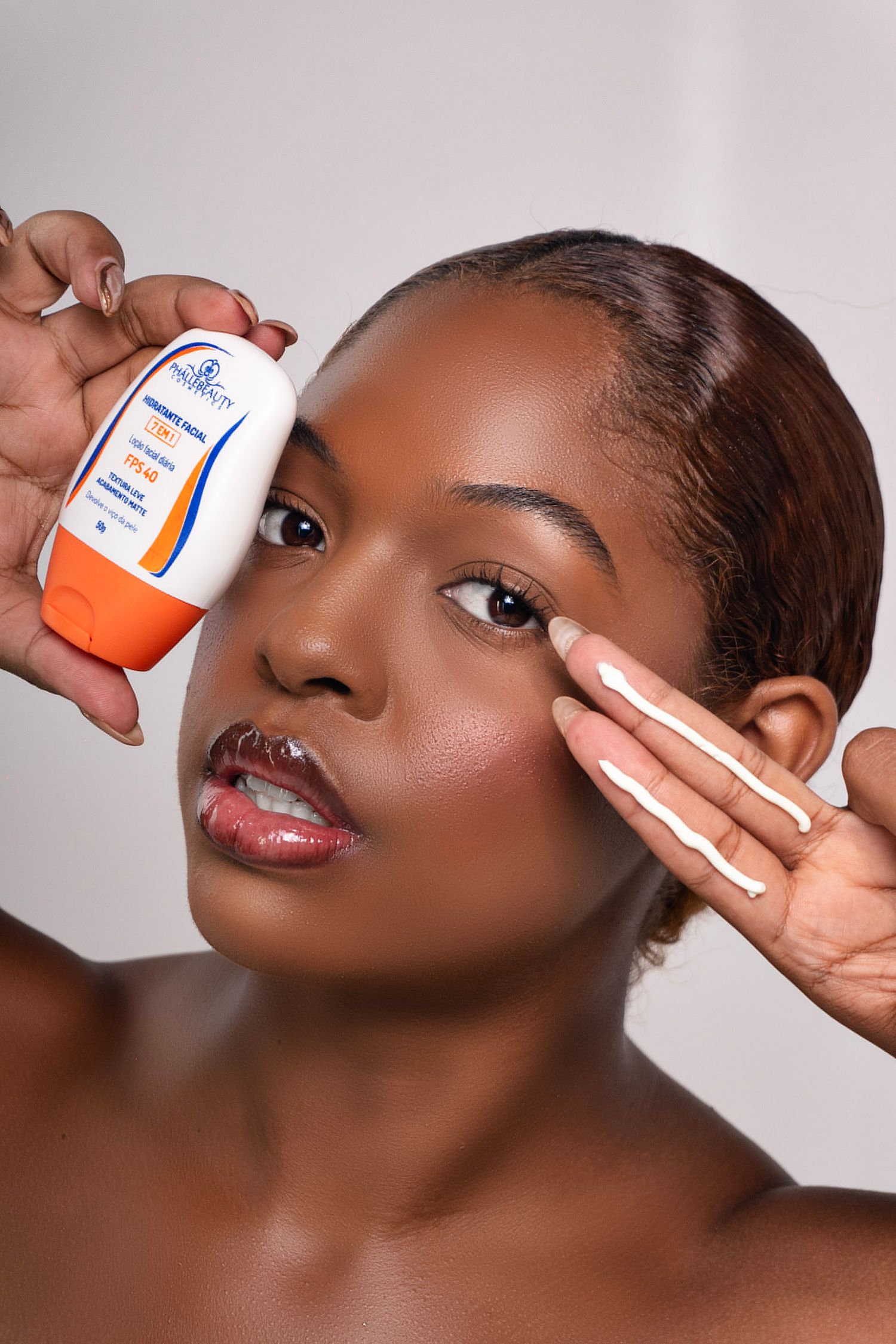
Skincare plays an important role in protecting skin and improving hydration and surface quality. It can also help reduce the appearance of some fine lines, but skincare should not be expected to reproduce the effect of an injectable, laser or surgical procedure.
Daily broad-spectrum sun protection is particularly important because UV exposure contributes to visible photoageing. Moisturisers can temporarily plump the outer skin and make fine lines less noticeable.
- Use broad-spectrum sunscreen consistently.
- Keep the skin barrier adequately moisturised.
- Introduce active ingredients gradually rather than layering everything at once.
- Do not expect topical skincare to replace lost facial volume or mechanically lift loose tissue.
Where do retinoids fit in?
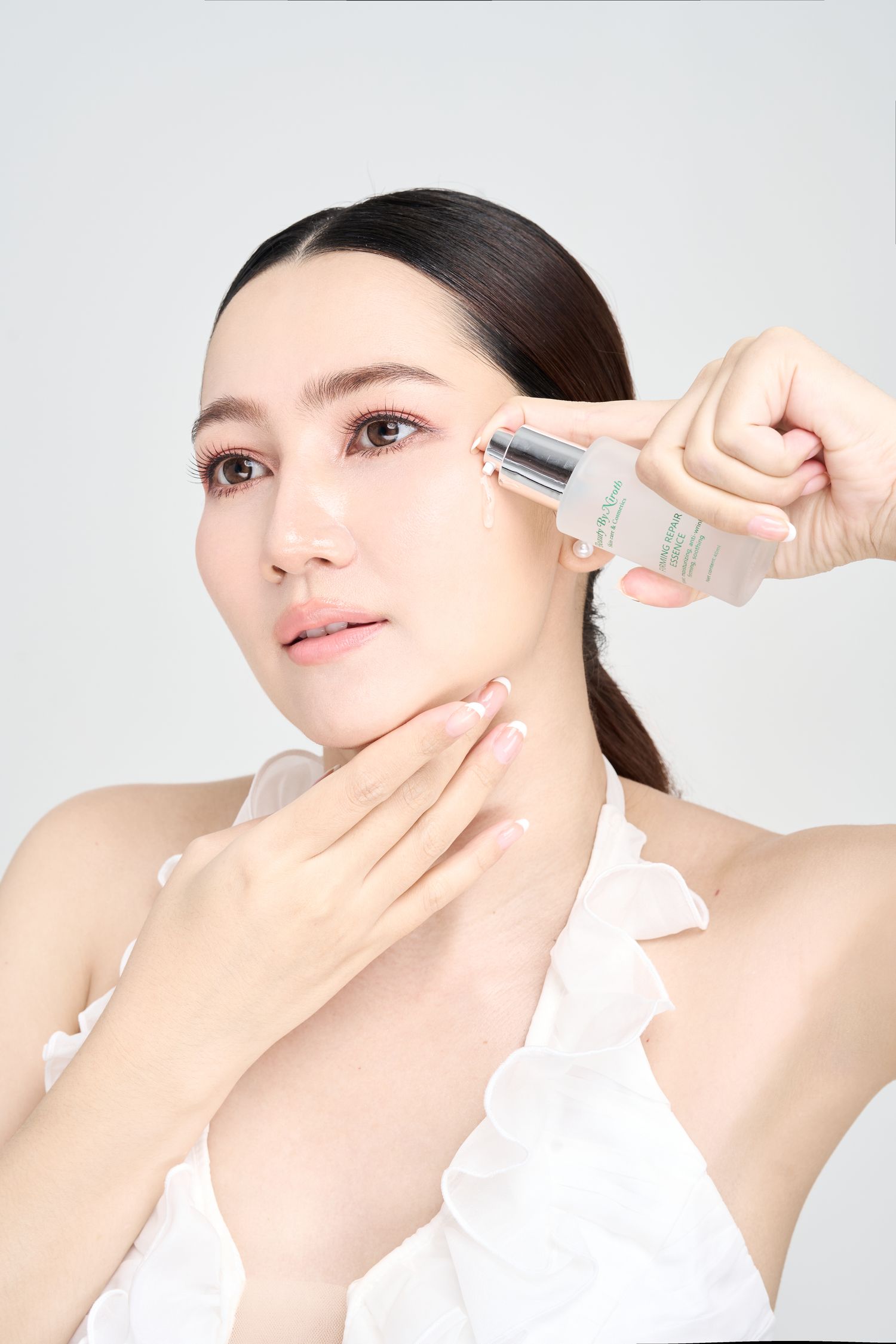
Retinoids are vitamin A derivatives commonly discussed for photoageing, fine wrinkles and uneven skin texture. Prescription-strength retinoids may produce more noticeable changes than ordinary moisturisers, but improvement develops gradually rather than overnight.
Irritation, dryness and sensitivity can occur, especially when starting treatment. Retinoids also require particular caution in pregnancy, so individual guidance is appropriate.
“The strongest treatment gives the best result.”
More aggressive treatment is not automatically more appropriate. Increasing treatment intensity can also increase downtime and risk.
The right target matters more.
A treatment is useful when its mechanism matches the cause of the line and when the expected benefit is reasonable for that individual's skin, anatomy and goals.
How to Reduce Wrinkles: Match the Treatment to the Line
There is no universal “wrinkle remover”. Different approaches influence different parts of the ageing process.
| Approach | Main role | May be considered for | Downtime | Important consideration |
|---|---|---|---|---|
| Sun protection & moisturiser | Protects against further photoageing and improves hydration. | Prevention, dryness and superficial fine lines. | None | Moisturising can soften appearance temporarily but does not rebuild deeper facial structure. |
| Retinoids | Influence skin-cell turnover and may improve fine wrinkles and texture over time. | Fine lines, photoageing and uneven texture. | Usually none, although irritation may occur. | Requires consistent use. Not appropriate for everyone; pregnancy requires particular caution. |
| Botulinum toxin | Temporarily reduces selected muscle activity. | Dynamic expression lines such as selected forehead, frown or crow's-feet lines. | Usually limited | It does not replace lost volume or treat every static crease. Effects are temporary and technique matters. |
| Dermal fillers | Add volume or structural support in selected areas. | Certain folds, depressions and volume-related changes. | Bruising or swelling may occur. | Injectables carry medical risks, including rare serious complications, and require appropriate patient selection and technique. |
| Chemical peels / laser resurfacing | Improve selected aspects of surface texture and stimulate renewal or collagen remodelling. | Photoageing, texture and selected fine or moderate lines. | Varies significantly by treatment depth. | Post-inflammatory pigmentation, infection, scarring and prolonged redness are among potential considerations. Skin type matters. |
| Ultrasound / radiofrequency / energy-based tightening | Uses controlled energy to stimulate tissue remodelling. | Selected cases where skin laxity contributes to the ageing appearance. | Often limited, depending on device and settings. | These treatments are not equivalent to fillers, botulinum toxin or resurfacing and may not correct etched surface lines. |
| Surgical lifting | Repositions and tightens deeper facial tissues. | More significant facial or neck laxity. | Substantially greater | Surgery does not automatically correct fine surface wrinkles, pigmentation or sun damage. |
This table is a general educational comparison only. Treatment intensity, downtime, risks, results and suitability vary.
Sometimes the Answer Is Not One Treatment
A person may have crow's feet from movement, fine cheek lines related to photoageing, volume change around the mid-face and mild lower-face laxity at the same time.
Trying to solve every one of these changes with the same procedure can lead to unrealistic expectations. A staged or combination approach may occasionally make more sense, but more treatment is not automatically better.
What Should Be Assessed First?
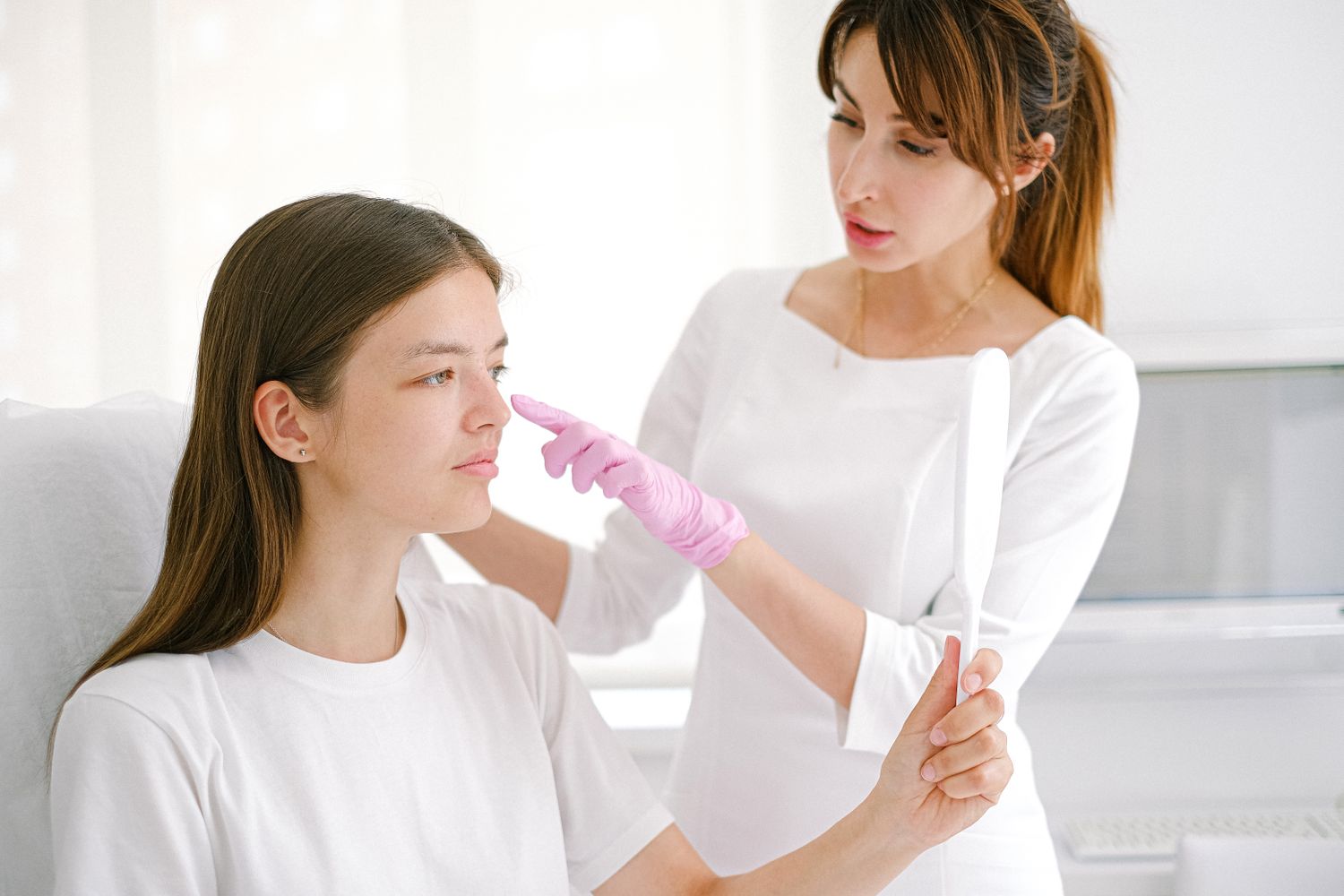
Before deciding how to reduce wrinkles, it is useful to assess the face both at rest and during movement. The practitioner should also understand which changes actually bother the individual.
What a practitioner may consider
The goal is not necessarily to create a face with no lines. It is to decide which changes can be improved reasonably without losing sight of natural facial movement and proportion.
Wrinkle Treatment in Asian Skin
Skin colour and pigmentation tendency matter when planning procedures that deliberately create inflammation or resurface the skin. Many Southeast Asian skin types can be susceptible to post-inflammatory hyperpigmentation.
This does not mean laser or peel treatments cannot be considered. It means the device, wavelength or peel depth, treatment settings, preparation, aftercare and the practitioner's experience with the individual's skin type deserve attention.
Malaysia's regular UV exposure also makes sun protection particularly relevant before and after many pigmentation- or resurfacing-related treatments.
Further reading from medical sources
Frequently Asked Questions
Can wrinkles actually disappear completely?
What is the fastest way to reduce wrinkles?
Can skincare remove deep wrinkles?
Does HIFU remove wrinkles?
At what age should I start anti-ageing treatment?
Can I combine several wrinkle treatments?
So, Can We “Make My Wrinkles Gone”?
We can often make selected wrinkles softer and less noticeable. But the most useful question is not simply how to remove wrinkles — it is what type of wrinkle is present, which facial layer is contributing to it and how much improvement is realistic.
Good anti-ageing care also does not have to mean chasing every line. Healthy skin, appropriate sun protection and a treatment plan that respects natural facial anatomy may be more valuable than trying to create a completely line-free face.
At Renora Clinic, treatment recommendations are made after assessing the individual's skin concerns, anatomy, treatment goals and suitability.
Have Questions About Your Wrinkles?
If you are unsure which approach may be suitable for your facial lines, a consultation can help assess your skin, facial anatomy, goals and available options.
Book a Consultation