
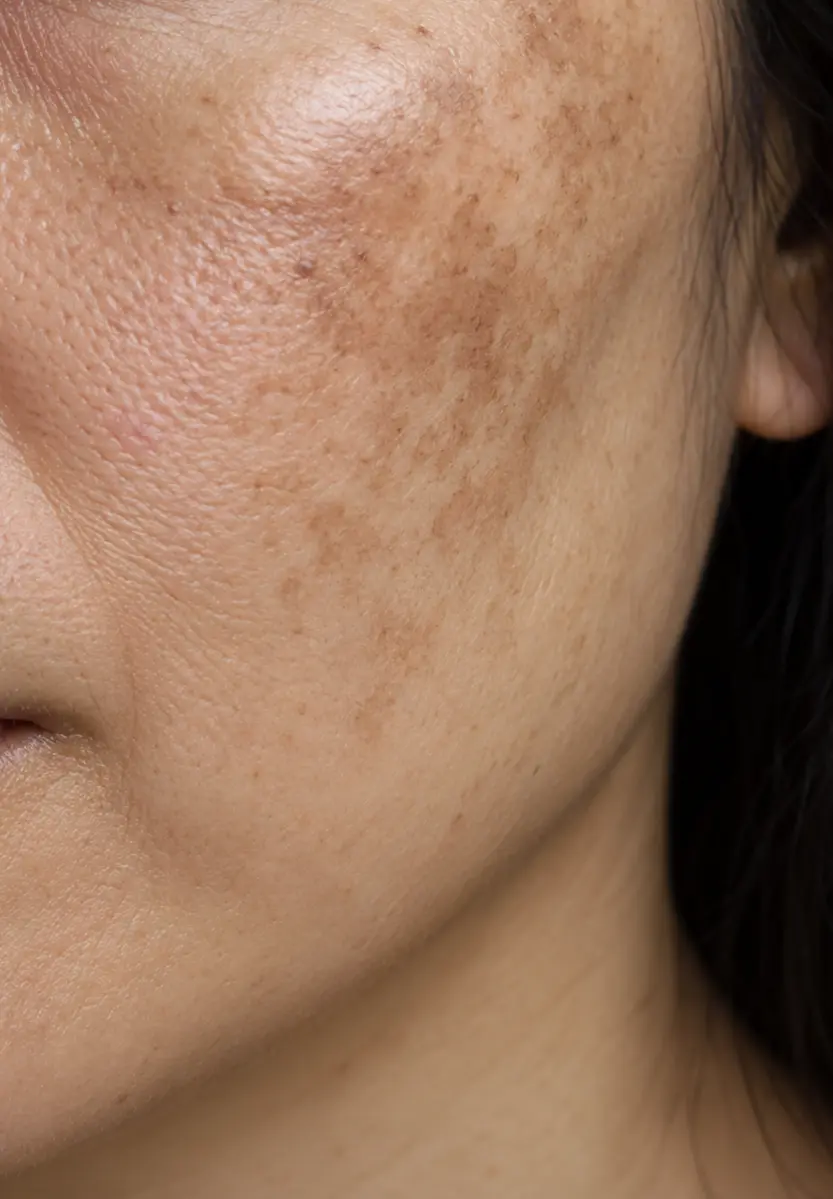
Melasma
Broad, blended, often symmetrical patches.
Brown patches across your cheeks, forehead or upper lip? Discover why melasma appears and how thoughtful treatment can help your skin look more even.

Melasma is common in sunny climates such as Malaysia. Its soft brown patches can look more prominent after time outdoors, even with everyday commuting. A consistent combination of sun protection, suitable skincare and medical guidance can help many people improve its appearance.
Melasma creates flat, irregular brown or grey-brown patches, often on both sides of the face. It develops when pigment-producing cells become more active and create extra melanin. The patches may fade and deepen over time, and they can occur across different skin tones. Melasma is generally harmless, but the change in complexion can be frustrating.
More than one factor often contributes. In Malaysia, year-round sunlight makes daily protection especially helpful. Identifying possible triggers helps your doctor develop a plan that fits your skin and lifestyle.
Daylight can increase pigment production.
Pregnancy and certain medications can play a role.
Family history can influence susceptibility.
Harsh products may make pigmentation more noticeable.
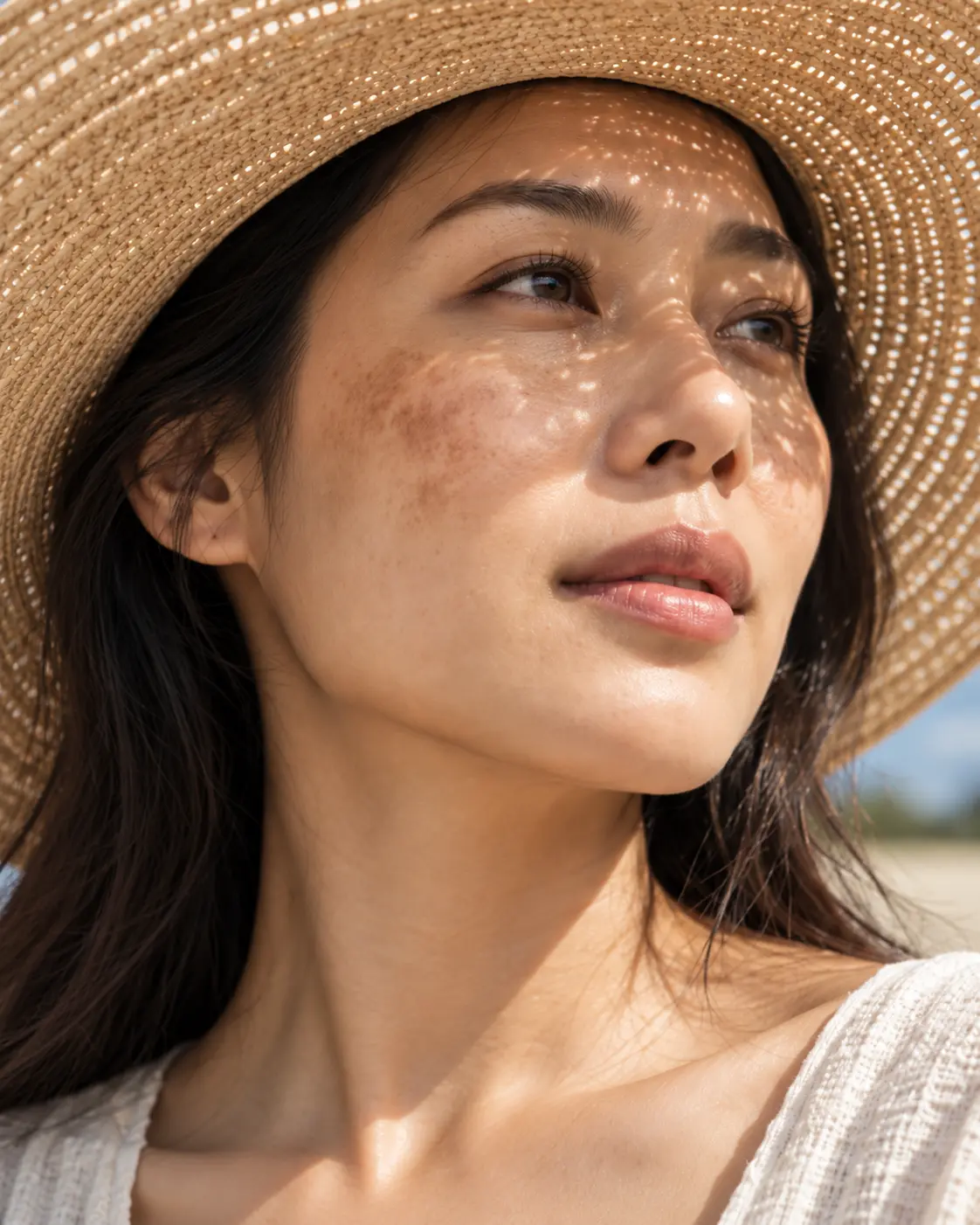
Environmental and hormonal influences
More melanin is produced
Uneven colour appears on skin

Different types of pigmentation can look similar. Here is a simple guide to help you recognise their common patterns.
Broad, blended, often symmetrical patches.
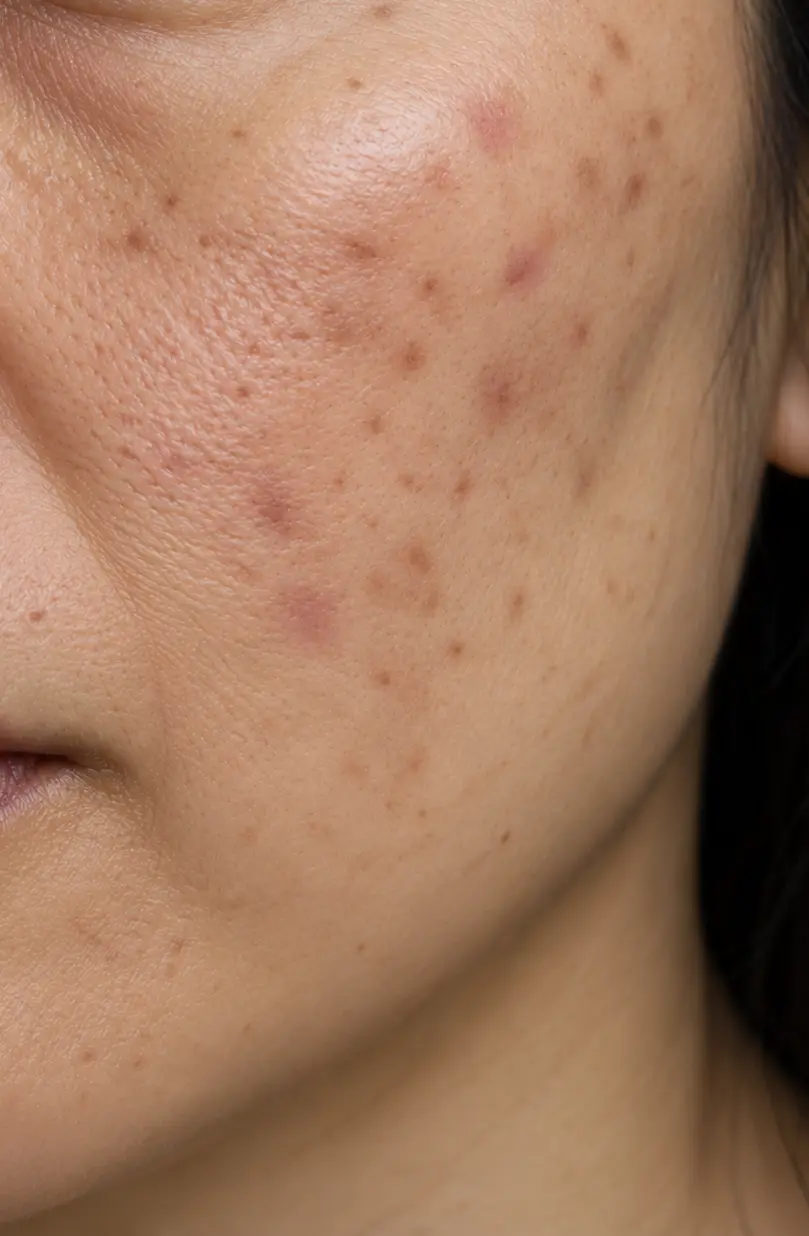
Dark spots left behind after pimples heal.
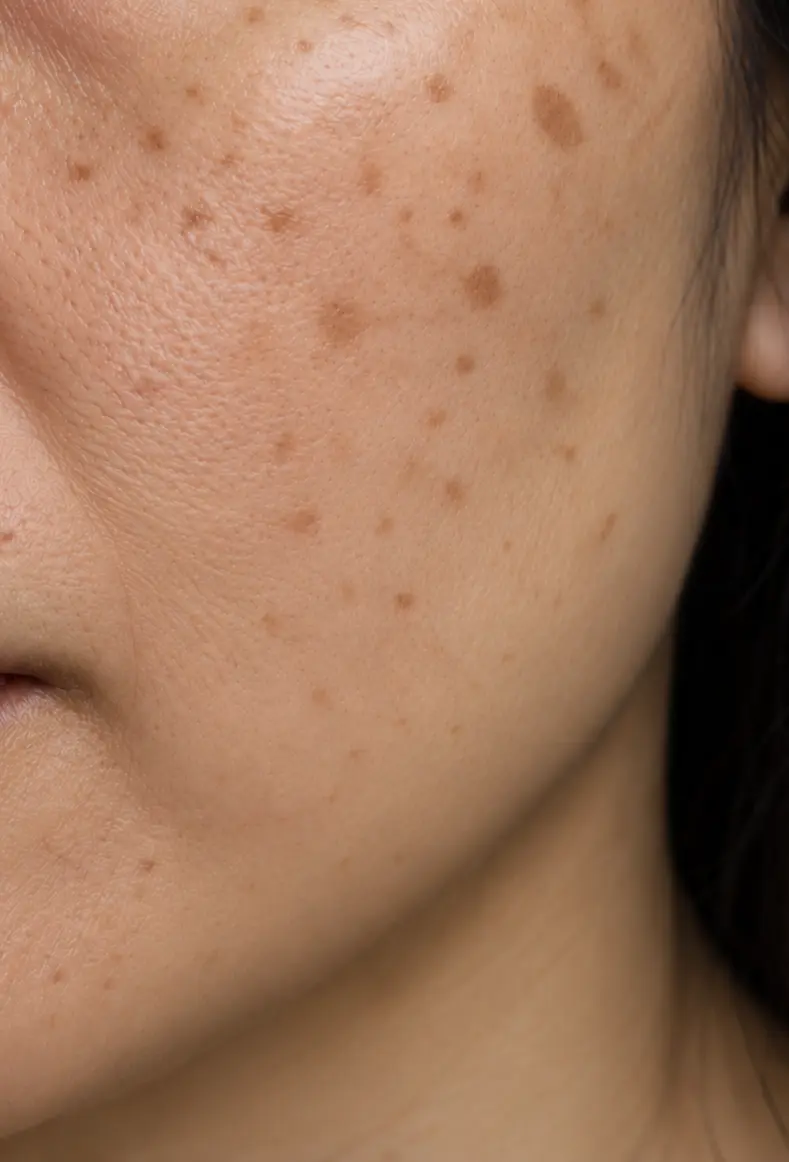
More distinct, localised brown spots.
IMAGE COMPARISON • For visual reference only. Explore pigmentation treatment at Renora Clinic .
The right approach starts with consistent protection and tailored skincare. Your doctor considers the pattern, skin tone, sensitivity and treatment history. Selected procedures may complement the plan once the skin is ready.
DIAGRAM 04 • Individual treatment plans may vary.

Choose broad-spectrum SPF 50+. Tinted sunscreen containing iron oxides also helps shield against visible light. Apply generously, seek shade where possible, and reapply every two hours when outdoors or after swimming and heavy sweating.
Hydroquinone or prescription combination creams may help gradually lighten visible patches. Depending on your needs, a doctor may also suggest azelaic acid, vitamin C or other ingredients. Follow the recommended duration and application schedule.
Selected superficial peels may complement topical treatment in suitable patients. Choice of peel, strength and treatment interval should match skin sensitivity and pigmentation pattern.
Certain lasers may help selected patients, particularly alongside skincare. Treatment settings matter because irritation can worsen pigmentation. A doctor will consider your skin tone, sensitivity and long-term maintenance needs.
For more persistent melasma, a doctor may discuss tranexamic acid. Oral treatment needs individual medical screening and may not be suitable for everyone.

A simple routine is often easier to maintain than a shelf full of strong actives. Look for gentle textures and products your skin tolerates comfortably. Persistent burning or stinging is a good reason to review the routine with your doctor.
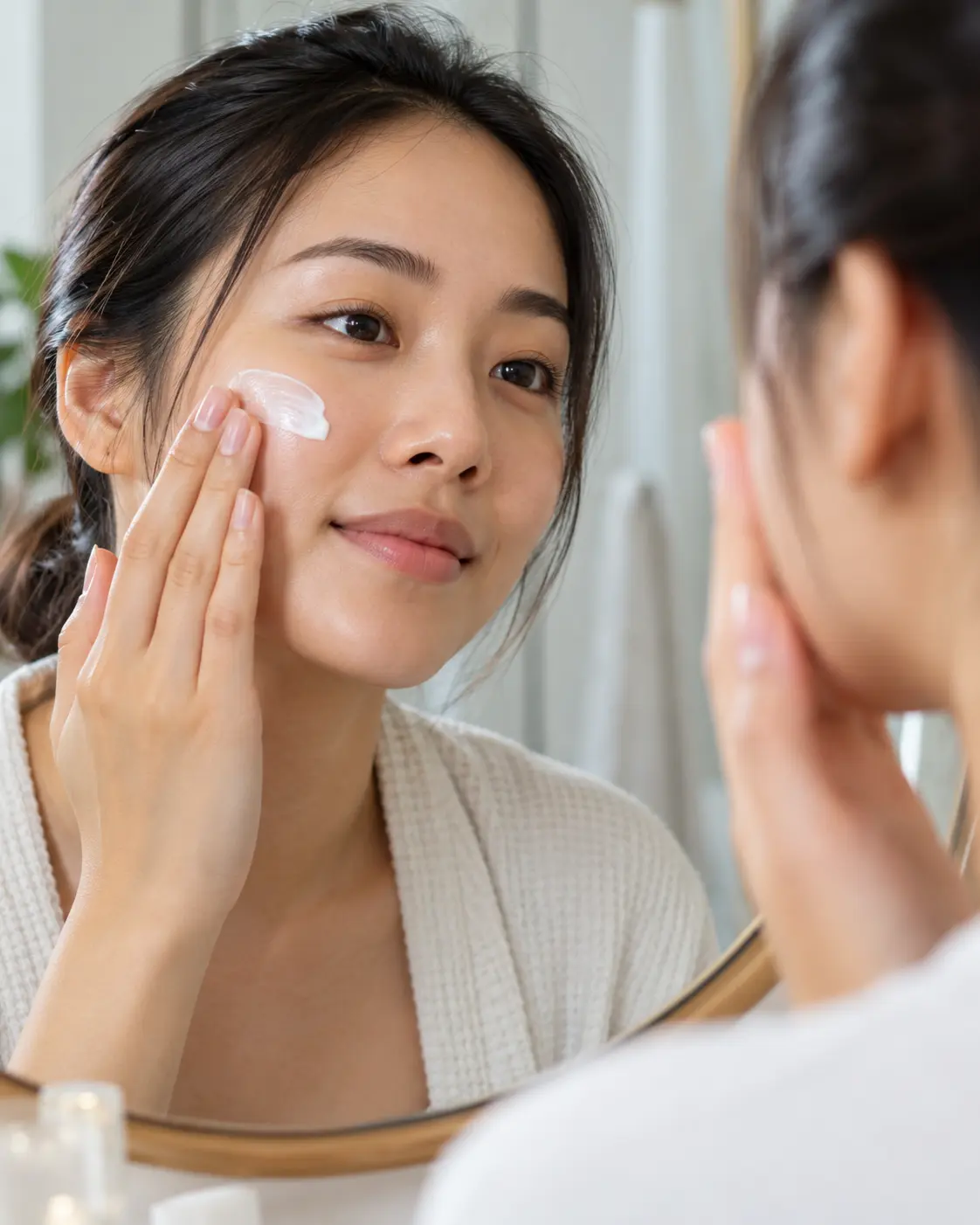
DIAGRAM 05 • Adjust your routine with your doctor, especially during pregnancy.
Visible changes are usually gradual. Some people notice a shift within the first few months, while longer-standing melasma may take more time. Photographs taken in similar lighting can help you and your doctor track progress. Maintenance remains important even after patches look lighter.
Assessment, sun protection and a tailored routine.
Review your response and adjust if needed.
Improvement may build; maintenance continues.
DIAGRAM 06 • General guide only; results vary and melasma may recur.

Helpful answers to common questions about managing facial pigmentation.
Sometimes it fades, particularly when a hormonal trigger changes. Melasma also has a tendency to return, so a practical long-term routine helps preserve improvement.
Not for everyone. Sunscreen and topical treatments are often the starting point; procedures are considered individually.
Yes. Daily sun protection and doctor-recommended topical care can be enough for some people. Others may benefit from a combined plan after assessment.
Yes. Hormones can influence pigmentation. Ask your doctor about pregnancy-appropriate skincare.
It can. Consistent light protection and a maintenance routine help support the results.
A skin examination helps distinguish it from acne marks, sun spots and other pigmentation conditions.
Wondering which pigmentation treatment may suit you? Speak with our medical team about your skin concerns and treatment options.
Medical references: AAD treatment guide · AAD self-care guide · DermNet melasma overview
Educational content only. Diagnosis, treatment suitability and results depend on individual medical assessment.